Restaurant and hospitality operators today face unprecedented complexity. Omnichannel sales, labor volatility, rising costs, and evolving guest expectations demand technology that works as hard as you do. Yet most operators are forced to manage disconnected systems—separate tools for payments, inventory, scheduling, and customer data. This fragmentation creates inefficiency, increases risk, and distracts from what matters: delivering exceptional experiences.
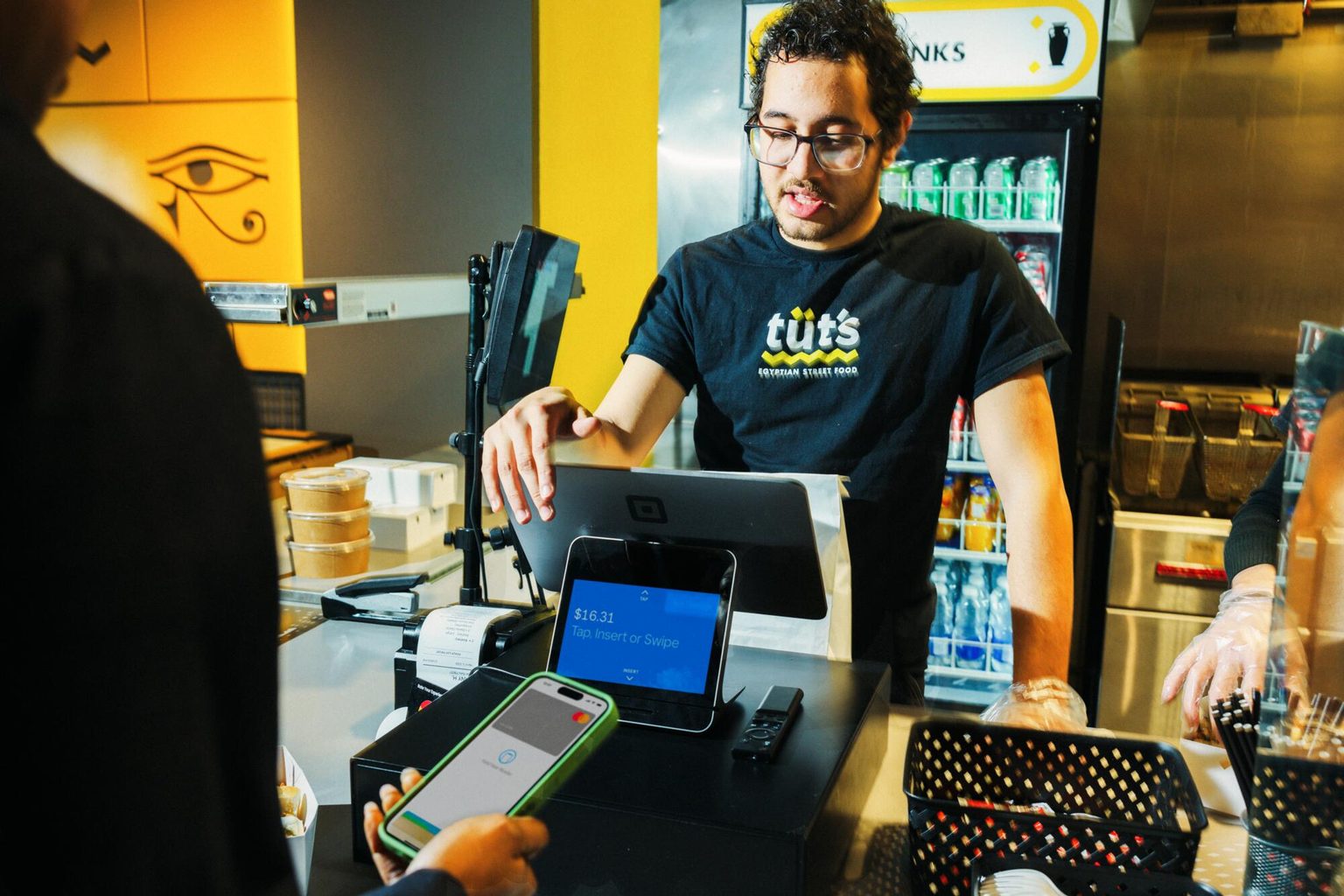
Square has fundamentally reimagined what a unified commerce platform can do for food and beverage operations. Since its founding in 2009, the company has evolved from a simple mobile payment reader into a comprehensive ecosystem designed specifically for the complexity of modern hospitality. Today, Square supports millions of businesses with integrated tools for in-person payments, e-commerce, payroll, inventory, customer engagement, and access to capital—all working together as one system, not a collection of standalone products.
Purpose-Built for Dining Operations
What makes Square's approach distinct is its commitment to building an integrated ecosystem rather than offering rigid, industry-specific solutions. For restaurant and hospitality professionals, this means managing orders across dine-in, takeout, and delivery channels while simultaneously tracking inventory in real time, analyzing performance metrics, and engaging customers through integrated marketing tools—all from a single, cohesive platform. This is operational efficiency at its core.
The company has deliberately moved toward flexible, adaptable interfaces that allow dining businesses to tailor functionality to their specific needs without sacrificing simplicity. A fine dining establishment operates differently than a high-volume quick-service concept, yet both require speed, reliability, and precision at the point of sale. Square's platform adapts to these realities rather than forcing operators into predefined categories. This flexibility reflects a deeper understanding that modern hospitality businesses are dynamic and multifaceted, often blending retail, takeout, delivery, and catering in ways that demand equally dynamic technology.
For the food and beverage sector, this evolution is particularly meaningful. Square's ability to unify front-of-house and back-of-house operations, streamline order management across channels, and provide real-time visibility into performance offers a practical solution to the operational challenges that keep managers awake at night. Operators can focus less on managing fragmented systems and more on delivering quality, consistency, and innovation to their guests.
A Case Study in Scaling Success: Van Leeuwen Ice Cream
Van Leeuwen Ice Cream demonstrates the practical power of unified commerce in action. What began as a single scoop truck in New York City has grown into a nationally recognized premium brand with brick-and-mortar locations, grocery distribution, and a deeply loyal following. This trajectory requires more than excellent product. It demands operational infrastructure that scales seamlessly across channels while maintaining brand integrity and guest experience.
For a brand managing high-volume storefronts in dense urban markets alongside packaged goods distribution, the ability to unify in-store transactions, retail inventory, and customer data is critical. Square's integrated ecosystem allows operators at this intersection to maintain operational consistency, streamline logistics and reporting, and access real-time insights across every touchpoint—from a busy scoop shop to a grocery shelf.
Data visibility is equally essential for growth. With a loyal and highly engaged customer base, Van Leeuwen leverages tools that provide insight into purchasing behavior, peak demand periods, and product performance. These insights empower teams to make informed decisions around staffing levels, inventory allocation, and menu development, ensuring the brand remains agile and responsive as it expands. In a category where experience is as important as product, the technology supporting that experience cannot be an afterthought.
Accessibility Without Compromise
Square has long prioritized usability—the principle that technology only creates value when it is accessible. Hardware is intentionally familiar, removing the intimidation that often accompanies new systems. Software prioritizes clarity, with dashboards and insights that are immediately actionable. This design discipline has broadened access to sophisticated tools, enabling independent restaurants and hospitality operations to run with capabilities once reserved for large enterprises.
That accessibility matters profoundly in hospitality, where independent operators and underserved communities often lack access to reliable infrastructure. By eliminating traditional barriers—high upfront costs, long-term contracts, and technical complexity—Square has redefined what it means to operate and scale in the marketplace. This democratization has had meaningful impact on survival and growth potential for smaller establishments.
Square continues to invest in what comes next. Its integration of artificial intelligence signals a shift toward more predictive and adaptive commerce. By leveraging real-time data—local trends, customer behavior, external factors—hospitality businesses can move beyond reactive management toward strategic, forward-looking operations. These advancements, from advanced automation to new payment methods, are woven into the broader ecosystem, enhancing overall value without adding complexity.
Redefining Industry Standards
The platform's scale is substantial—processing hundreds of billions in annual payment volume across a diverse customer base. Yet influence is measured not just by volume, but by how it shifts industry expectations. Competitors are now evaluated on their ability to deliver integrated, end-to-end solutions that support every aspect of operations, not merely transaction fees or hardware design. Square helped establish this standard.
For hospitality operators, this means the future of technology is integrated, intelligent, and responsive. Commerce will continue to blur lines between physical and digital, local and global. Businesses will need infrastructure that is not only reliable but adaptable—platforms that evolve in step with their users' needs. These systems will define the next generation of industry leaders in food and beverage.
Square is firmly positioned within that group. By aligning its growth with the success of its customers, the company has moved beyond the role of service provider into that of strategic partner. For an industry navigating constant change, that distinction is critical. For hospitality professionals managing increasingly complex operations, having a unified platform that anticipates your needs—rather than forcing you to chase trends—is what separates thriving establishments from those simply surviving. Square is helping define what modern hospitality technology looks like in practice, empowering the next generation of operators to lead, not follow.