London-born steakhouse group Hawksmoor opens its 15th global location — and its second U.S. outpost — on September 8 at 15 Necco Street in Boston's Fort Point neighborhood, with a seafood program that rivals the kitchen's famed dry-aged beef program. Executive Chef Thomas Park, a veteran of Boston's Saltie Girl and Austin's Uchi, has built a menu deliberately rooted in local and sustainable sourcing, with wild-caught and domestically sourced species anchoring several signature dishes.
The Seafood Program
Charcoal-roasted scallops pulled from Georges Bank — one of the Northwest Atlantic's most closely managed and MSC-recognized fishing grounds — lead the seafood card. Lobster sourced from Maine inshore trap fisheries appears in two forms: as a standalone dish and in the Lobster Crumpet, a Boston-exclusive riff on the iconic lobster roll that nods to the city's culinary identity. A Beer-Battered Fish Butty rounds out the lineup, made with local haddock and jalapeño tartar sauce — a preparation that leans on New England's groundfish heritage while keeping the species domestic and traceable.
Park's background is significant for trade observers: Saltie Girl is widely regarded as one of the most seafood-forward fine-dining operations in the Northeast, known for an exhaustive raw bar program and disciplined sustainable seafood sourcing. His move to a high-profile steakhouse format suggests growing operator appetite for elevating shellfish and finfish programs within the broader premium-dining segment, rather than confining serious seafood to specialty concepts.
Supply Context and Operator Angle
Georges Bank scallops remain among the most commercially significant wild-caught species on the Eastern Seaboard. The U.S. sea scallop fishery — managed under the New England Fishery Management Council's rotational area-access framework — has sustained strong landings in recent years, with ex-vessel values consistently ranking it among the top domestic fisheries by dockside price. Maine lobster, meanwhile, continues to command premium positioning in foodservice despite ongoing pressure from Canadian supply and shifting certification debates around right-whale bycatch risk.
Hawksmoor's emphasis on sustainable local purveyors aligns with broader restaurant seafood sourcing trends, where fine-dining operators increasingly treat supply chain transparency as a brand differentiator rather than a compliance checkbox. The group is a Certified B Corporation, a designation that requires verified performance standards on environmental and social impact — adding an institutional layer to procurement commitments that Park articulates at the menu level.
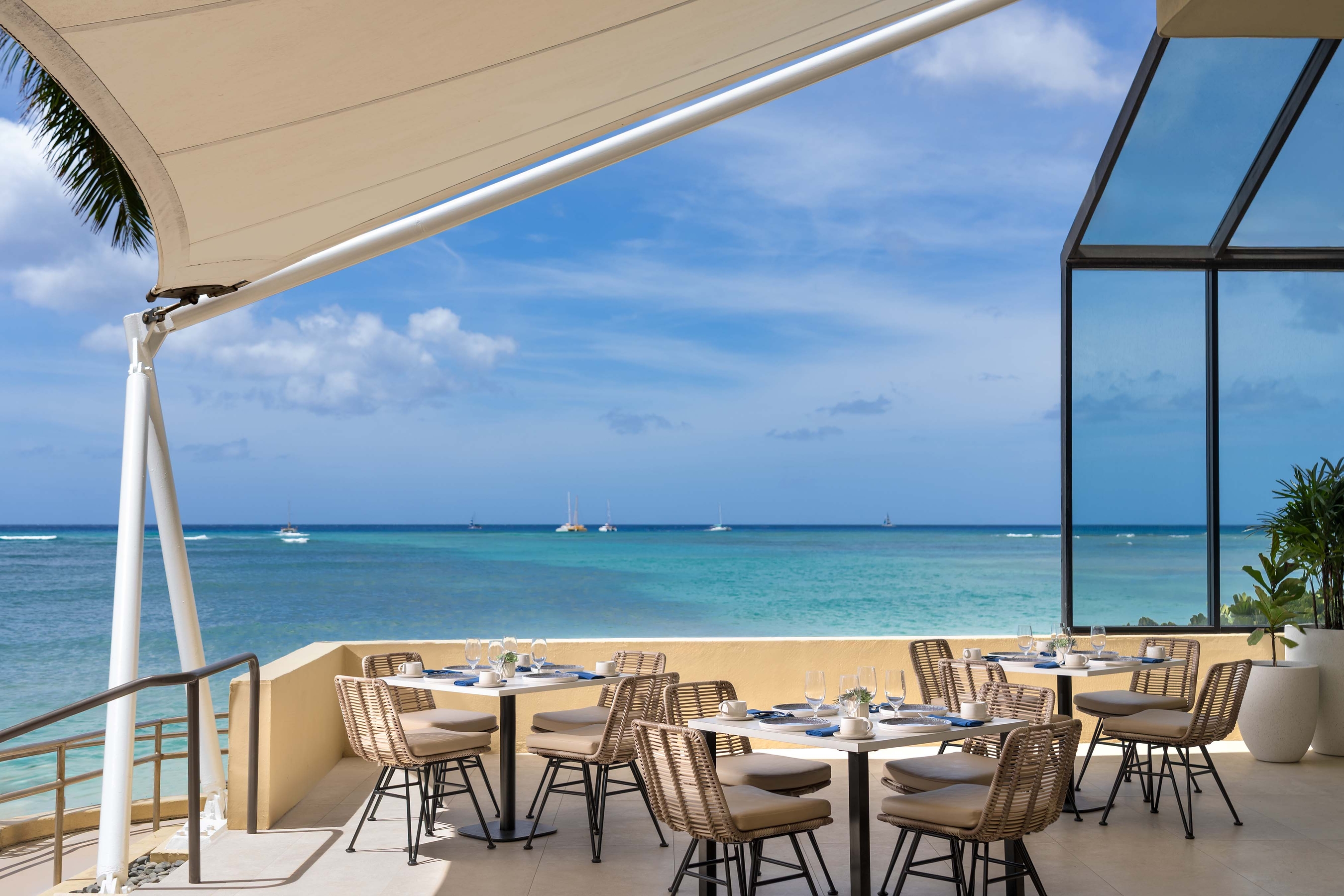
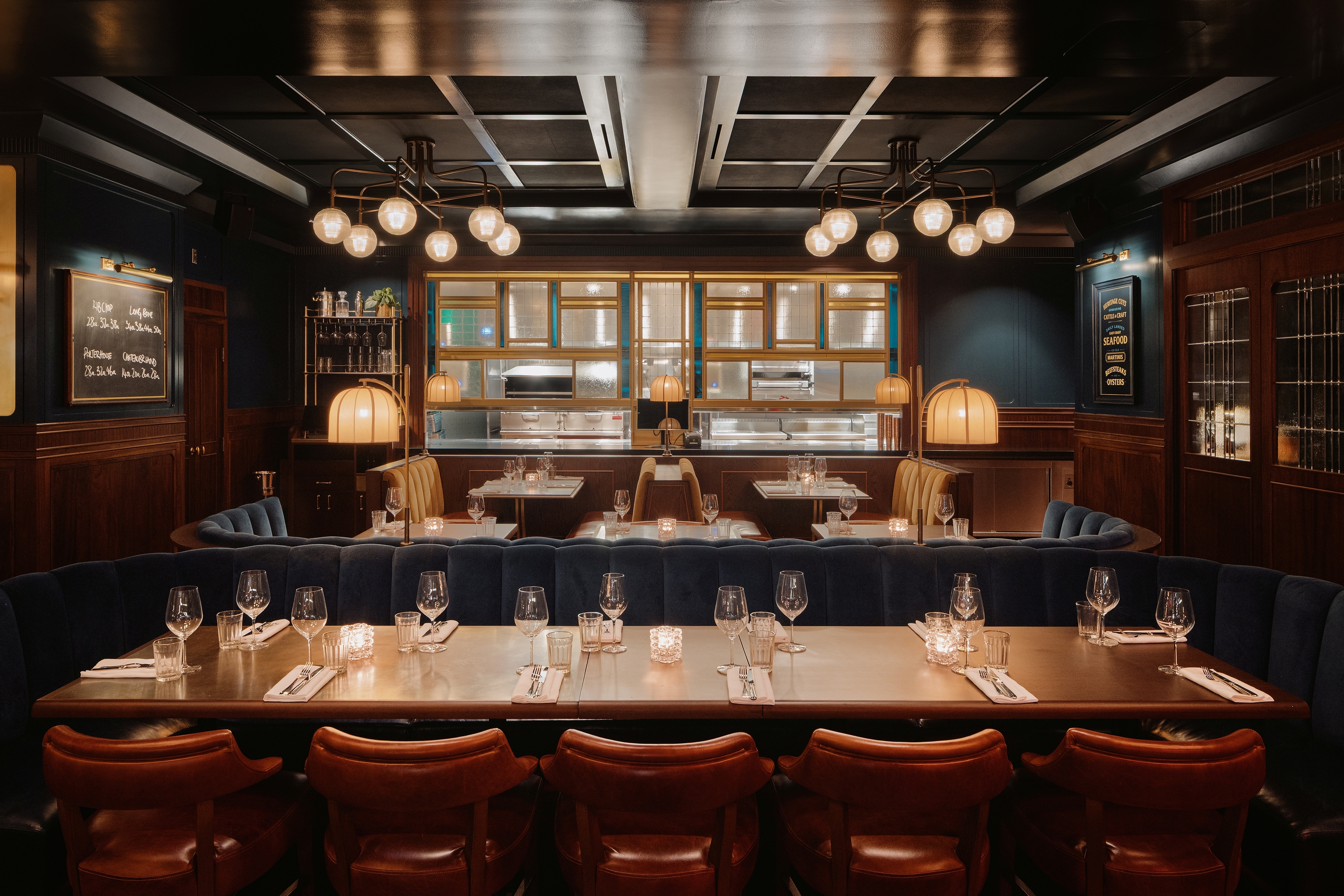
The 280-seat Fort Point location, which includes an outdoor dining terrace overlooking Fort Point Channel, gives Hawksmoor significant volume capacity. At that cover count, consistent sourcing of Georges Bank scallops and Maine lobster will require dependable supplier relationships capable of meeting premium-quality specifications at foodservice scale — a procurement challenge that will test whether the kitchen's sustainability commitments hold under full-house pressure.
Beverage Director Liam Davy's bar program, a 2025 James Beard Award semifinalist and two-time winner of the Tales of the Cocktail Spirited Award for Best International Restaurant Bar, will introduce Boston-inspired cocktails alongside local beers — a secondary draw for the 280-seat room that operators in the Fort Point dining corridor will be watching closely.
Written by Michael Politz, Author of Guide to Restaurant Success: The Proven Process for Starting Any Restaurant Business From Scratch to Success (ISBN: 978-1-119-66896-1), Founder of Food & Beverage Magazine, the leading online magazine and resource in the industry. Designer of the Bluetooth logo and recognized in Entrepreneur Magazine's "Top 40 Under 40" for founding American Wholesale Floral, Politz is also the Co-founder of the Proof Awards and the CPG Awards and a partner in numerous consumer brands across the food and beverage sector.