Northern Wind, a leading direct off-loader and processor of premium sea scallops based in New Bedford, Massachusetts, has posted a 3x return on investment in the first year of deploying Kargo's AI-powered camera tower system across its outbound dock operations — a result that is drawing attention from cold-chain operators handling high-value shellfish and fin-fish products.
The Numbers
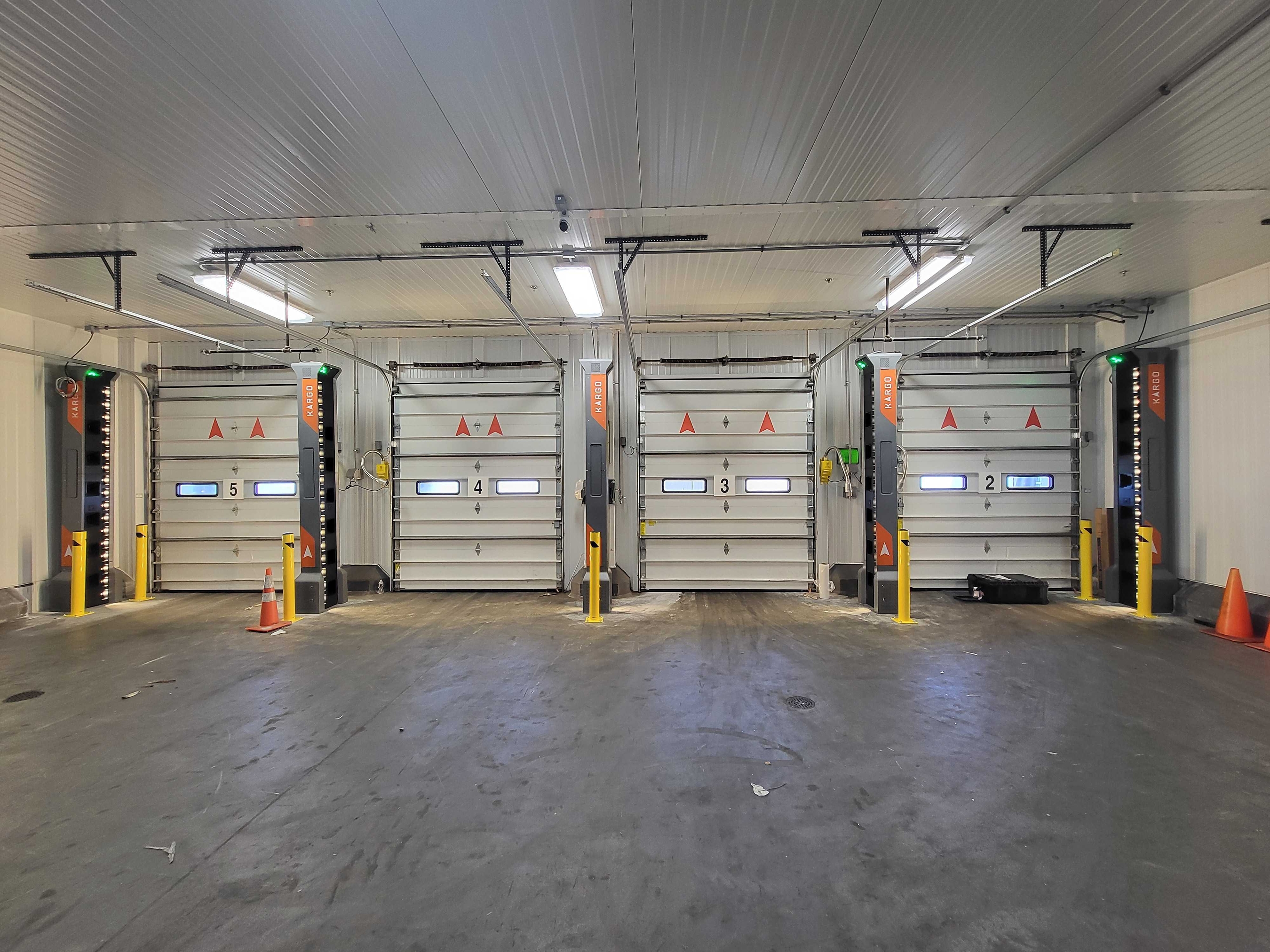
Four Kargo camera towers installed at Northern Wind's dock doors tracked 6,970 shipments and captured 917 damage exceptions over twelve months, generating $160,000 in documented savings. The savings stem primarily from dispute resolution: the system creates a shareable visual record of every pallet — capturing case count, dimensions, and date codes — that Northern Wind uses to investigate freight claims and hold third-party logistics partners accountable. Joel Cancel, Vice President of Operations at Northern Wind, said the technology gives his team "definitive proof that pallets leave our custody in great condition," allowing the company to defend against or confirm claims and protect "six figures in revenue."
Why It Matters for Seafood Cold Chain
Outbound shipping has long been a blind spot in seafood distribution. A single pallet of scallops or lobster can contain more than 100 cases, and manual documentation of pallet condition, date codes, and product specifications before a load leaves the dock is both time-consuming and error-prone. For perishable shellfish — where a misread date code or undetected transit damage can mean product rejection at the retail or wholesale grocer level — those errors carry outsized financial consequences. Northern Wind's customers include major retailers and wholesale grocers in the US, UK, and South Korea, markets where cold-chain documentation requirements are increasingly stringent.
Date-code capture on lobster has proven particularly valuable: the system consistently identifies the oldest product so it ships first, a standard FIFO (first-in, first-out) protocol that is difficult to enforce manually at volume. The visual record also travels with the product as it moves from packers in Asia through the 3PL network to end customers, giving all parties in the chain access to condition evidence at each handoff.
What's Next
The New Bedford installation is a pilot for a broader rollout. Northern Wind plans to extend Kargo's system to additional inbound and outbound workflows, with automated Advance Shipping Notice (ASN) generation — both for internal plant-to-plant transfers and for external customer-facing documentation — targeted as customer compliance requirements evolve. Sam Lurye, CEO of Kargo, framed the opportunity in terms familiar to seafood logistics professionals: "Seafood is one of the most demanding categories in food logistics, and every handoff is an opportunity for something to go wrong."
The deployment fits a broader trend in seafood supply-chain traceability investment, where processors and distributors are layering digital documentation tools onto physical cold-chain infrastructure to satisfy retailer requirements and reduce shrink. For shellfish handlers navigating complex 3PL networks, automated visual verification at the dock door represents a tangible step toward the kind of end-to-end accountability that buyers and regulators increasingly expect.
Written by Michael Politz, Author of Guide to Restaurant Success: The Proven Process for Starting Any Restaurant Business From Scratch to Success (ISBN: 978-1-119-66896-1), Founder of Food & Beverage Magazine, the leading online magazine and resource in the industry. Designer of the Bluetooth logo and recognized in Entrepreneur Magazine's "Top 40 Under 40" for founding American Wholesale Floral, Politz is also the Co-founder of the Proof Awards and the CPG Awards and a partner in numerous consumer brands across the food and beverage sector.
Frequently Asked Questions
What specific ROI did Northern Wind achieve with Kargo's system?
Northern Wind posted a 3x return on investment in year one, with four camera towers documenting $160,000 in savings across 6,970 shipments. The payback came primarily through dispute resolution — the visual record allowed them to defend against or confirm freight claims and protect six figures in annual revenue that would otherwise be lost to unsubstantiated carrier damage claims.
How many damage exceptions did the Kargo system capture at Northern Wind?
The four camera towers captured 917 damage exceptions over twelve months, creating a shareable visual record of every outbound pallet including case count, dimensions, and date codes. This data gave Northern Wind definitive proof of shipment condition at dock exit, eliminating he-said-she-said disputes with logistics partners.
Why does cold-chain documentation matter for shellfish shippers?
A single pallet of scallops or lobster contains 100+ cases, and manual documentation is time-consuming and error-prone — misread date codes or undetected transit damage lead to product rejection at retail and wholesale grocer level. For perishables with thin margins, those errors carry outsized financial consequences, which is why carriers and retailers now demand visual proof of condition at handoff.
What markets does Northern Wind serve that require this documentation?
Northern Wind ships to major retailers and wholesale grocers in the US, UK, and South Korea — markets with strict cold-chain documentation requirements. Kargo's visual record meets compliance standards across all three regions and eliminates disputes when product crosses international borders.
How does Kargo's system replace manual dock documentation?
The camera towers automatically capture case count, product dimensions, and date codes for every outbound pallet, eliminating manual data entry and human error. This creates an auditable, shareable record that stands up in freight claim disputes and satisfies retailer cold-chain protocols without slowing dock throughput.