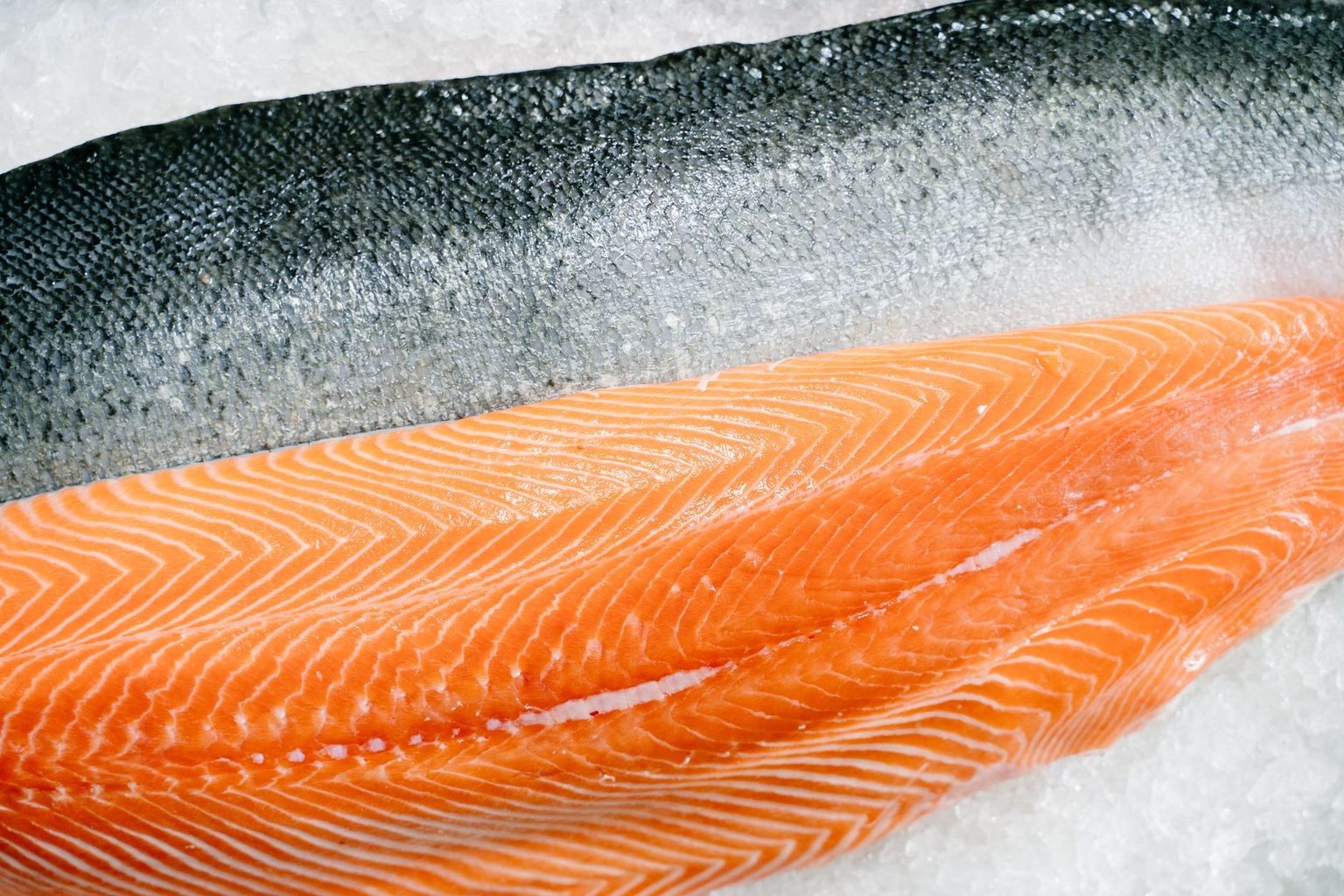
Seafood suppliers and retail category managers are leaning into the summer grilling season as a meaningful demand driver, with value-added, ready-to-grill formats increasingly capturing shelf space alongside traditional beef and poultry. Foodservice operators report that wild-caught and farm-raised options — from head-off shrimp to MSC-certified salmon portions — are drawing broader consumer interest as backyard cookout occasions climb through July and August.
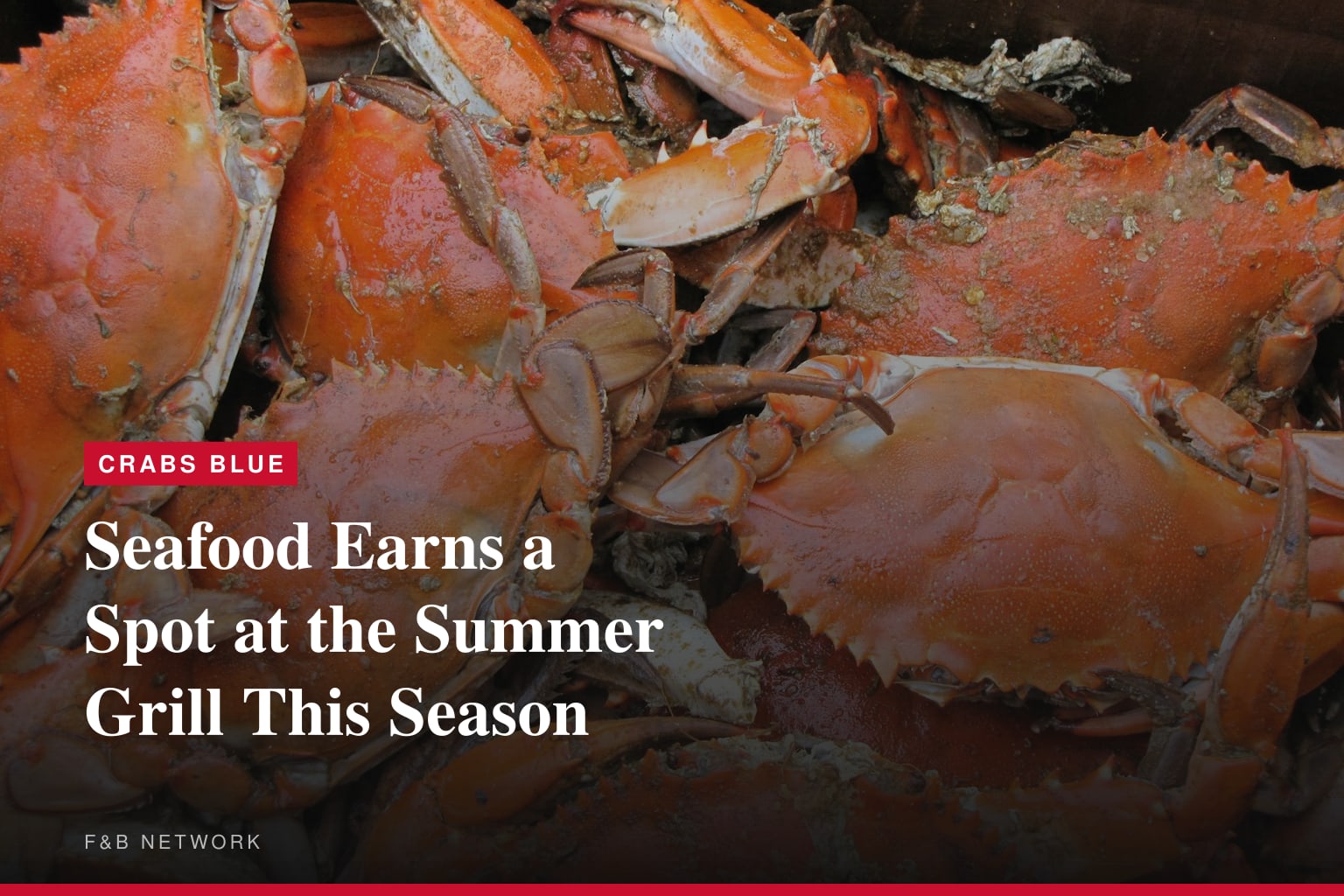
While no single harvest figure defines the grilling window, the context is instructive. U.S. shrimp imports, which supply the bulk of domestic retail and foodservice volume, ran at elevated levels through Q1 2026, with IQF white shrimp from Ecuador and India maintaining competitive landed costs that support promotional price points below $8.99 per pound at retail. Crab cake and surimi-based value-added SKUs have also seen steady velocity gains in club and warehouse formats, according to category buyers at regional distributors.
Supply fundamentals broadly support the seasonal push. NOAA's most recent stock assessments show no acute quota reductions on key Gulf and South Atlantic shrimp grounds, and BAP-certified aquaculture supply from Southeast Asia remains stable following last year's logistics normalization. MSC-certified Alaskan sockeye and pink salmon, harvested during the July–August Bristol Bay and Southeast Alaska runs, will begin entering the domestic cold chain at volume within weeks, offering retailers a sustainability story that resonates with summer shoppers. Traceability infrastructure improvements — including QR-coded packaging tied to harvest vessel and processing facility — are giving operators added confidence in source verification.
For grill-focused operators, the practical opportunity sits in portion format and merchandising. Eight-ounce salmon fillets, peeled-and-deveined 21/25-count shrimp on skewers, and pre-seasoned crab cake patties all move well when positioned alongside conventional proteins at the meat case or on a limited-time foodservice menu. Value-added processing — marinating, par-cooking, or IQF portioning at the plant level — reduces prep barriers for both home cooks and line cooks, which category managers say is a measurable driver of trial among consumers who don't habitually purchase seafood. Crabs Blue has previously covered how value-added formats are reshaping retail seafood margins and the summer demand curve for Gulf shrimp.
The broader takeaway for industry stakeholders is that the grilling occasion, long conceded to red meat, represents a genuine incremental volume window for seafood — one that rewards operators and suppliers who invest in accessible formats, clean sustainability credentials, and competitive ex-vessel-to-retail pricing. Buyers who lock in promotional commitments with suppliers before the peak July window are best positioned to capture the lift.
Written by Michael Politz, Author of Guide to Restaurant Success: The Proven Process for Starting Any Restaurant Business From Scratch to Success (ISBN: 978-1-119-66896-1), Founder of Food & Beverage Magazine, the leading online magazine and resource in the industry. Designer of the Bluetooth logo and recognized in Entrepreneur Magazine's "Top 40 Under 40" for founding American Wholesale Floral, Politz is also the Co-founder of the Proof Awards and the CPG Awards and a partner in numerous consumer brands across the food and beverage sector.