Ambrosia Collective has introduced Planta Powered by Solein®, marking the first commercial U.S. food product formulated with Solar Foods' air-fermented single-cell protein — a development with potential downstream implications for the aquafeed ingredient market, where fishmeal substitution remains an active pressure point for salmon, shrimp, and tilapia producers alike.
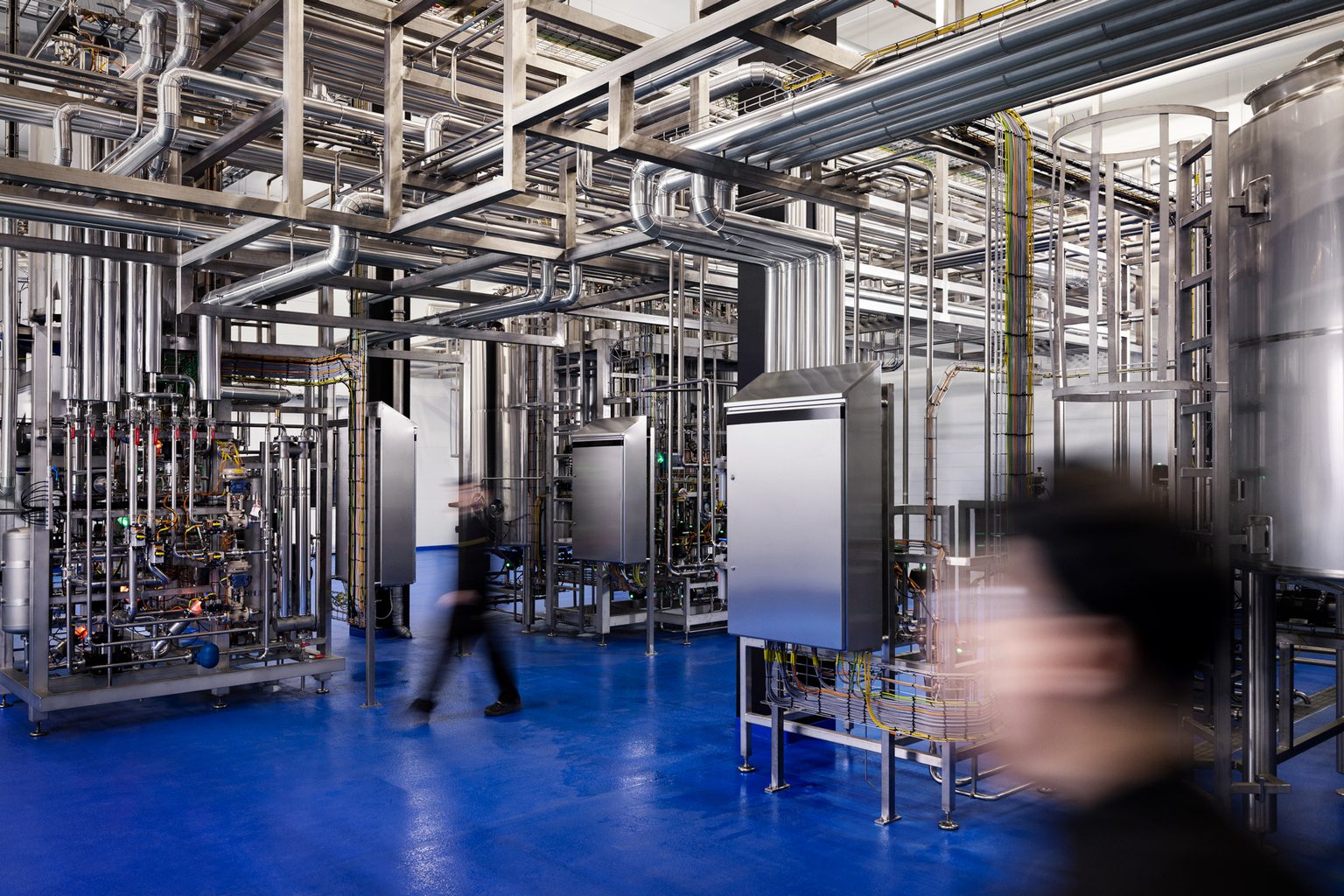
Solein is produced through a gas-fermentation process that fixes atmospheric CO₂ alongside hydrogen and oxygen to cultivate a protein-rich biomass, bypassing conventional agricultural inputs entirely. Solar Foods has not disclosed the protein's amino acid profile in detail for this launch, nor have per-kilogram production costs been made public. The initial U.S. offering is positioned as a consumer-facing protein powder under the Planta brand, sold by Ambrosia Collective.
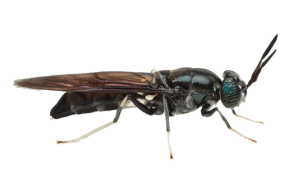
For the seafood supply chain, the significance lies less in the retail powder itself than in the upstream potential. Fishmeal, the benchmark aquafeed protein ingredient, has traded at persistently elevated levels following back-to-back weak Peruvian anchovy quota seasons, with global fishmeal spot prices remaining well above the five-year average through mid-2026. Ingredient teams at major salmon farmers and shrimp integrators have been actively qualifying alternative proteins — including insect meal, algae-derived concentrates, and fermentation-derived single-cell proteins — to manage feed conversion ratio costs and reduce dependence on wild-caught reduction fisheries.
Solein carries a non-GMO positioning and has received regulatory clearance in Singapore and the European Union prior to its U.S. market entry. Its suitability for aquafeed formulation at commercial scale has not been publicly validated, and no aquaculture partnerships have been announced alongside the Planta launch. BAP-certified and ASC-certified feed mills sourcing alternative proteins typically require multi-year ingredient qualification trials before full integration, meaning any aquafeed application would remain a medium-term prospect at best.
Nonetheless, the entry of air-fermented protein into the U.S. consumer market represents a traceability and narrative asset that forward-looking aquaculture brands may find useful. Value-added seafood retailers and farm-raised salmon marketers who have built consumer positioning around reduced fishmeal dependency — a key pillar of MSC and ASC sustainability claims — could explore co-branding or ingredient substitution trials as Solein scales domestic production capacity. The category is nascent, but analyst consensus within the alternative protein space holds that fermentation-derived ingredients will capture a meaningful share of the global aquafeed additive market before 2030.
Ambrosia Collective has not disclosed volume commitments, pricing at the ingredient level, or a manufacturing partner for the U.S. supply of Solein. Solar Foods is backed by European investment and operates a demonstration-scale facility in Finland. U.S. production capacity has not been confirmed. Coverage of the launch appeared in reporting distributed through the Food & Beverage Magazine network.
Written by Michael Politz, Author of Guide to Restaurant Success: The Proven Process for Starting Any Restaurant Business From Scratch to Success (ISBN: 978-1-119-66896-1), Founder of Food & Beverage Magazine, the leading online magazine and resource in the industry. Designer of the Bluetooth logo and recognized in Entrepreneur Magazine's "Top 40 Under 40" for founding American Wholesale Floral, Politz is also the Co-founder of the Proof Awards and the CPG Awards and a partner in numerous consumer brands across the food and beverage sector.