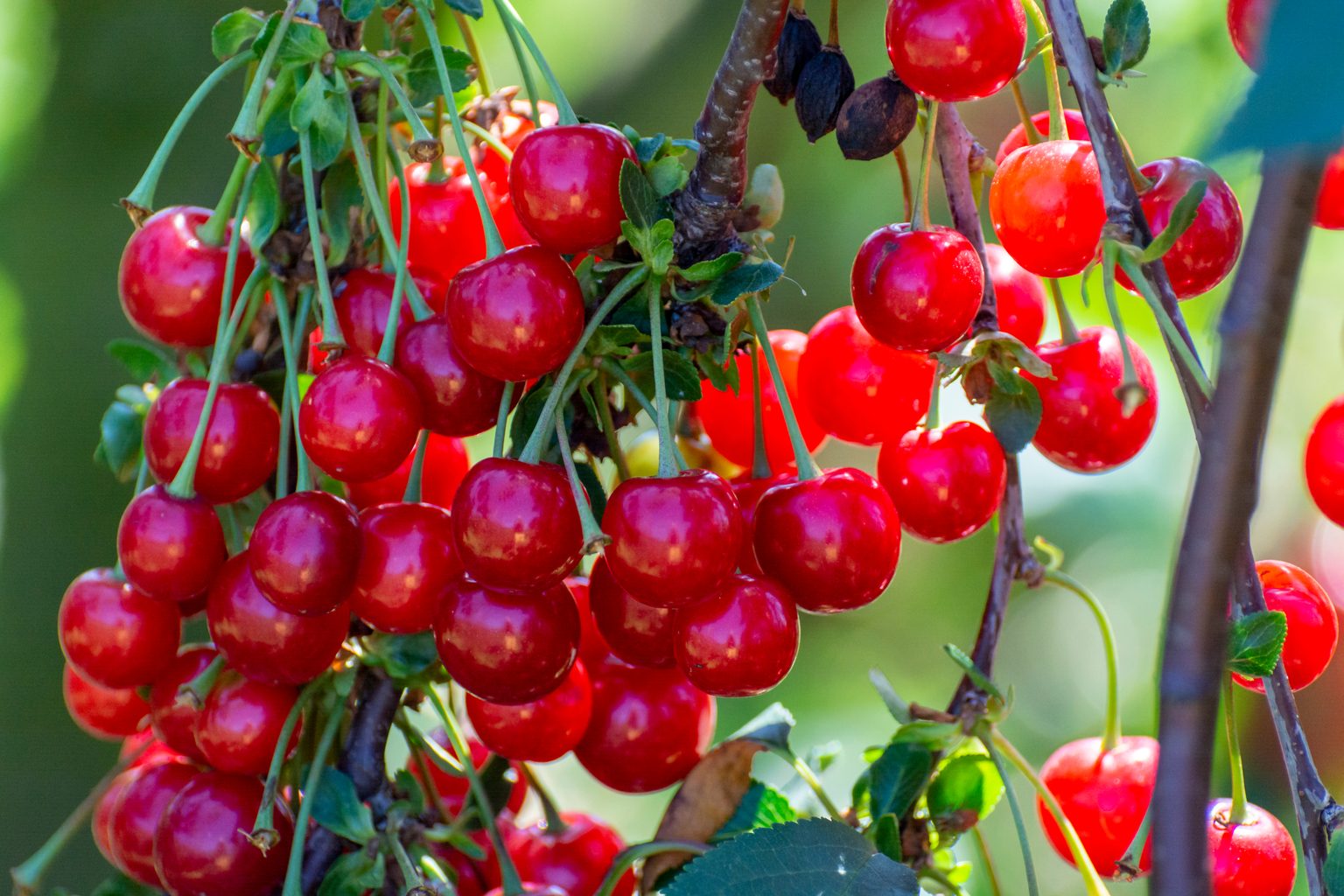
Tart cherries have quietly become one of the most versatile and operationally intelligent ingredients a chef can stock. Nearly all tart cherries grown in the U.S. are Montmorency—a single variety that delivers consistent flavor, color, and performance chefs can count on across every daypart, every application, and every service model. With their vivid color, bright tang, and American-grown provenance, they align perfectly with what today's dining operations actually need: ingredients that elevate flavor while solving real kitchen challenges.
A flavor profile built for modern menus
Today's guests expect bold, layered, complex tastes—sour, salty, spicy, fermented, and umami-rich. Tart cherries fit this conversation naturally. Their natural sweet-tart profile sharpens rich foods, keeps sugary items in balance, and adds a clean, fruit-forward note that reads as sophisticated, not nostalgic.
On menus built around gochujang, chili crisp, global spice blends, and smoked elements, tart cherries act as a connector. They round off the edges of aggressive heat, brighten slow-cooked meats and vegetables, and deliver contrast to familiar comfort dishes. Whether you're riffing on a classic or building something entirely new, their flavor creates a clear, memorable signature that guests recognize and talk about.
Daypart flexibility and menu reach
Tart cherries earn operational weight because they work across your entire menu. At breakfast, they enhance bowls, yogurt parfaits, hot cereals, baked goods, and grab-and-go items. During lunch and dinner service, they anchor glazes, pan sauces, relishes, chutneys, and braises—where their acidity cuts through rich meats and roasted vegetables. At dessert, they move beyond traditional expectations to add tension and contrast to cheesecakes, custards, chocolate preparations, and frozen applications.
This versatility extends behind the bar as well. Tart cherries anchor spritzes, sours, and spirit-free cocktails, bringing structure, color, and authenticity to the glass. They pair intelligently with amaros, bitters, fresh herbs, and citrus, and their deep red hue signals thoughtfulness rather than commodity convenience.
The through line is straightforward: wherever your operation needs brightness, balance, and visual impact, tart cherries deliver.
Operational intelligence: Format options for real kitchens
Versatility only matters if an ingredient performs in your kitchen under pressure. Tart cherries are best captured at peak ripeness and quickly preserved to lock in flavor, color, and functional benefits. This means consistent quality, reliable performance, and year-round availability in formats built for foodservice operations.
- Dried tart cherries bring concentrated flavor and texture to salads, trail mixes, cookies, bars, and grain bowls.
- Frozen fruit ensures consistent quality for sauces, desserts, and blended drinks throughout the year.
- Juices and concentrates integrate seamlessly into dressings, reductions, marinades, batters, and beverage builds.
- Canned tart cherries provide ready-to-use fruit that performs reliably during high-volume and high-pressure service.
Multiple format options let your culinary and beverage teams emphasize one ingredient across multiple applications, simplifying purchasing and inventory while expanding menu breadth.
The functional ingredient advantage
Guests increasingly seek better-for-you choices that taste excellent and align with their wellness choices. Tart cherries occupy this space naturally. Montmorency tart cherries are known for their deep red color, which comes from natural compounds called anthocyanins—also linked to antioxidant activity.
Most operators speak carefully about nutrition, but recognize that diners notice ingredients with a functional halo. A grain bowl with roasted vegetables and tart cherry relish, a salmon entrée with a tart cherry glaze, or a signature mocktail built on tart cherry juice and herbs positions guests to feel good about their choices—both flavor-wise and wellness-wise.
American sourcing as a menu asset
Origin stories matter. Tart cherries give you a genuine story: U.S. growers in Michigan, Utah, Washington, Wisconsin, New York, Pennsylvania, and Oregon have been tending tart cherry orchards for generations. Calling that out on menus creates a direct connection between your guests and real farms in traceable growing regions.
Identifying "U.S.-grown Montmorency tart cherries" instantly adds specificity and credibility—whether on a barbecue sauce, seasonal entrée, or dessert. It transforms a commodity ingredient into a featured, story-driven element.
Plating power and social media appeal
Beyond flavor, tart cherries deliver significant visual advantage. Their deep red color brightens salads, creates contrast against charred proteins and roasted vegetables, and adds visual drama to pale grains, creamy cheeses, and neutral desserts.
In an era where diners encounter dishes on social media before they experience them in person, plate appeal drives ordering. Tart cherries help dishes and drinks read as vibrant, craveable, and shareable.
Familiar yet underexplored
Most guests know tart cherry flavor from pies, juices, and preserves—there's immediate comfort in that recognition. Yet tart cherries remain underutilized in savory applications, global cuisines, and functional positioning. This gap creates opportunity for differentiation.
They work as the twist in sticky wing sauce, the bright counterpoint in a lamb or pork glaze, the surprise element in a grain bowl, or the anchor of a modern chocolate dessert with sea salt and toasted nuts. They deliver both approachability and distinctive menu advantage in a single ingredient.
Building tart cherries into your operation
Tart cherries align with every priority driving today's foodservice success: bold flavor development, operational efficiency, functional positioning, authentic sourcing, and memorable plate presentation. For chefs, beverage directors, and menu developers seeking ingredients that perform multiple roles without adding complexity, they belong in your core pantry.
To explore U.S.-grown tart cherry products, formats, and menu applications, connect with the Cherry Industry Administrative Board. Visit choosecherries.com to access sourcing resources, culinary inspiration, and implementation tools for your retail, foodservice, and hospitality operations.