Canadian restaurant operators face a mounting challenge: balancing rising labor costs, shifting consumer expectations, delivery integration, and digital engagement while maintaining margins and service quality. The businesses gaining real momentum are not necessarily the largest—they are the most adaptable. And increasingly, that adaptability depends on technology infrastructure that goes far beyond payment processing.
For dining professionals across Canada, Square has evolved from a mobile payment solution into something more fundamental: an operational backbone capable of unifying the complex, multi-channel realities of modern restaurant management.
Breaking Free From Fragmented Systems
Most restaurant operators understand the pain of disconnected tools. A payment system here, inventory management there, labor scheduling somewhere else, customer data scattered across platforms—each integration point becomes a source of friction, data loss, and operational blind spots. Guests expect frictionless ordering, contactless payments, loyalty integration, and personalized experiences as standard. Legacy fragmented systems simply cannot deliver that.
Square's integrated platform addresses this directly by unifying payments, inventory, payroll, reporting, customer engagement, and online commerce within a single ecosystem. For a Toronto café managing dine-in traffic and mobile pickup simultaneously, or a Vancouver restaurant group balancing in-house dining with third-party delivery and retail products, this operational cohesion is transformative. It allows operators to oversee their entire business holistically rather than jumping between disconnected systems.
The practical benefit is significant: efficiency directly impacts profitability in food service, and centralized visibility into operations, inventory, and customer behavior eliminates costly redundancies.
Enterprise Capabilities for Independent Operators
Historically, sophisticated commerce infrastructure was reserved for large chains with dedicated IT teams and substantial resources. Square fundamentally democratized that access. By prioritizing intuitive design, transparent pricing, and simplified onboarding, the company brought enterprise-level sophistication within reach of independent restaurants, neighborhood bakeries, specialty coffee shops, and fast-growing restaurant groups across Canada.
This matters deeply in an industry where independent hospitality concepts often define local culture and community identity. Operators increasingly require systems capable of scaling alongside their ambitions without creating operational friction or requiring specialized technical expertise.
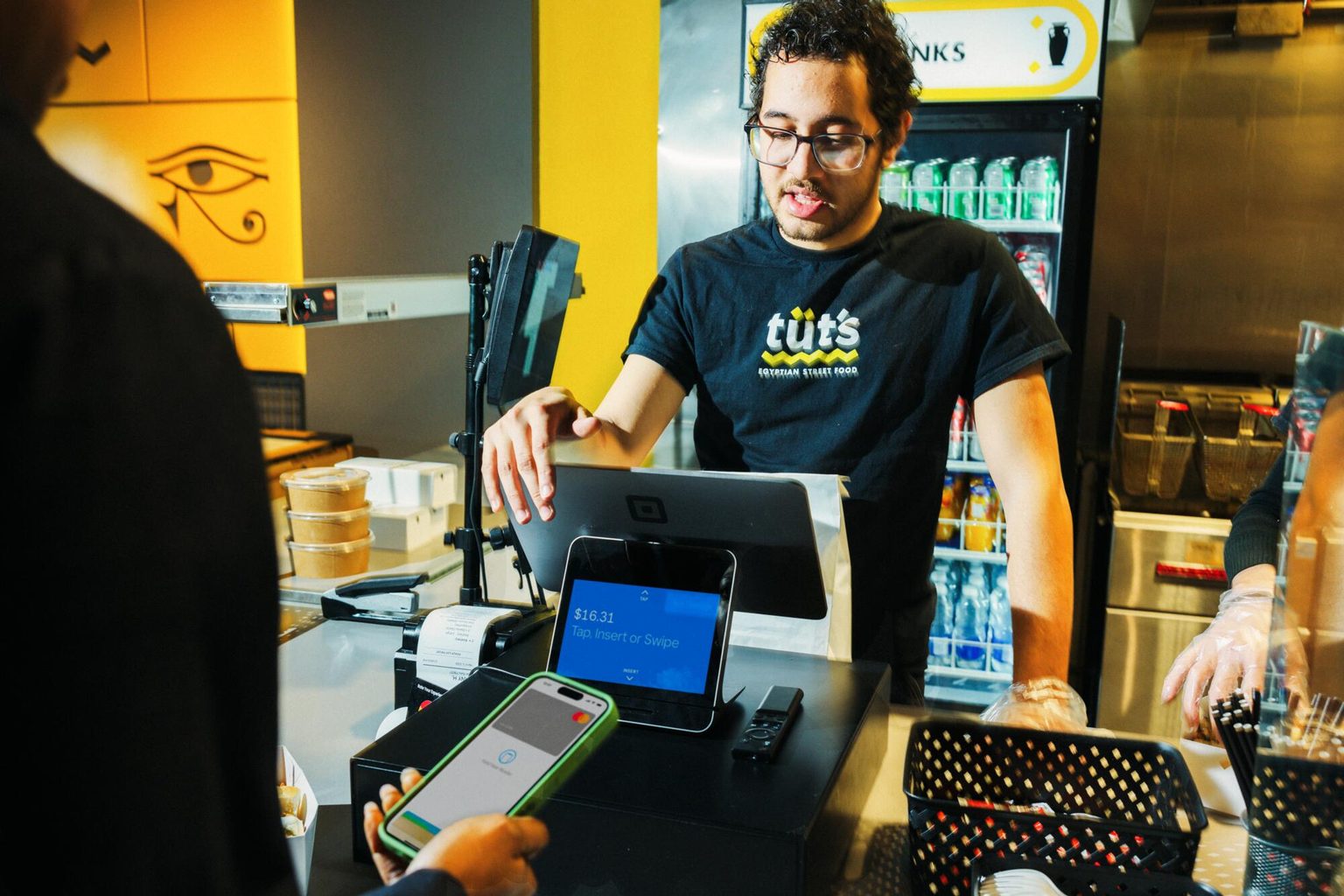
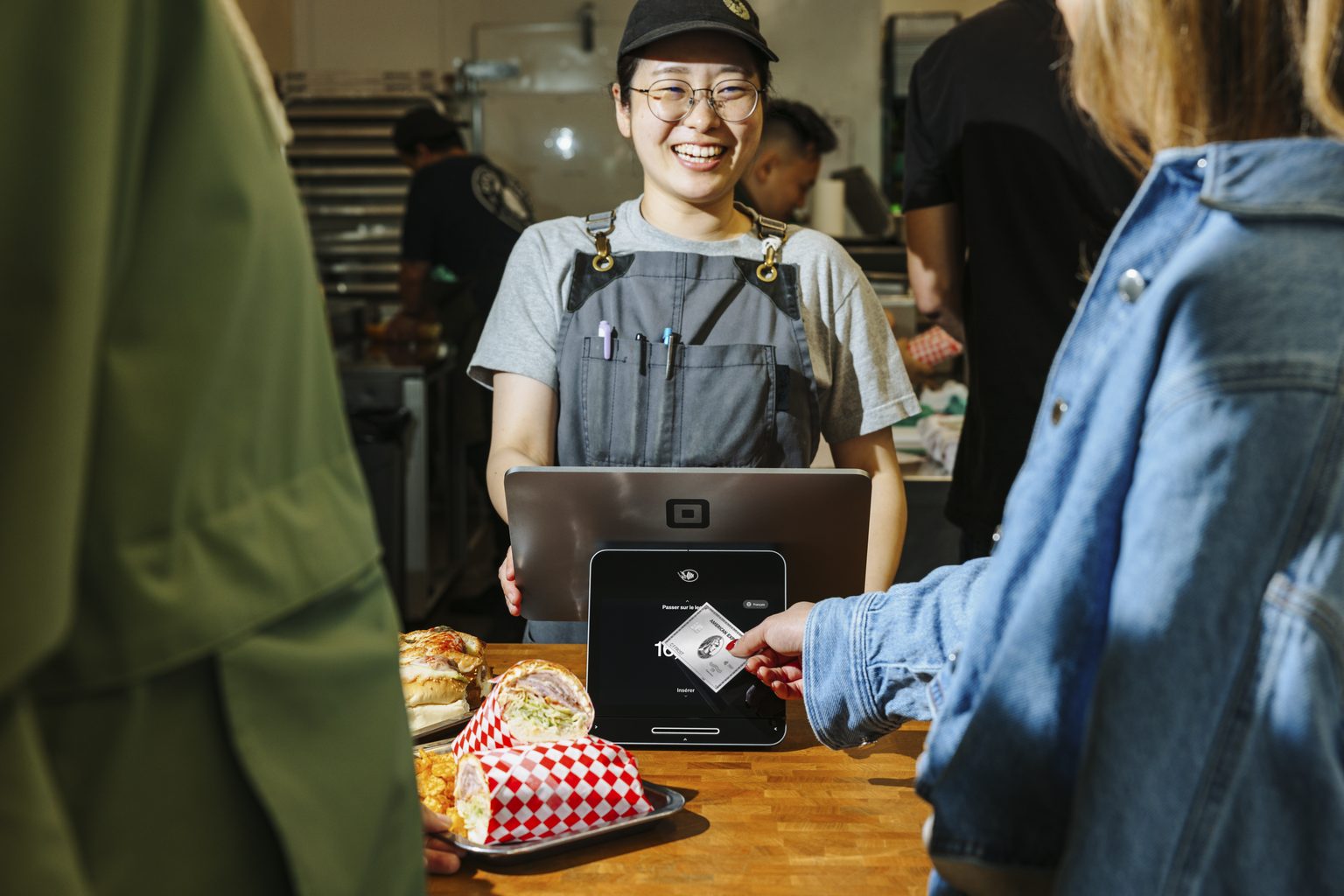
Square's design-forward approach becomes a major differentiator in that context. Its hardware reflects consumer technology familiarity rather than intimidating point-of-sale terminals, while its software is built intentionally for hospitality usability. Operators can access real-time reporting, staffing insights, menu performance analytics, and inventory tracking without advanced technical knowledge. The result is technology that feels empowering rather than overwhelming.
That ease of use addresses a critical pain point: Canadian hospitality faces ongoing labor challenges including staff turnover, training demands, and operational inconsistency. Systems that simplify workflows and reduce onboarding complexity are operational necessities, not luxuries. Fewer barriers to staff adoption mean faster training and greater consistency across shifts.
Designed Around How Restaurants Actually Operate
A critical distinction sets Square apart: the company understands hospitality operations from the inside. Features are designed around the realities restaurants actually face—tipping, kitchen workflows, order pacing, menu modifications, and integrated online ordering—rather than generic retail assumptions. That operator-first mentality has established trust in an industry where technology reliability is paramount.
In restaurants, system failures do not create minor inconvenience. They interrupt service, revenue, and guest experience simultaneously. Tools must function intuitively, consistently, and at speed. Square's emphasis on stability and usability has become a critical factor in how dining professionals evaluate their technology partners.
Intelligence That Drives Real Decisions
Beyond transaction processing, Square's platform increasingly functions as a business intelligence tool. Real-time insights tied to sales patterns, customer behavior, staffing, and local trends allow operators to make more informed decisions immediately. In an industry operating on razor-thin margins, that level of data-driven clarity can fundamentally impact growth and sustainability.
As artificial intelligence and automation become more integrated into hospitality operations, Square is helping restaurants shift from reactive management toward proactive strategy. Operators can understand menu performance, predict staffing needs, identify high-value customer segments, and optimize inventory in real time.
Scaling Without Losing Your Identity
For restaurant groups and emerging brands seeking to expand while preserving authenticity, Square's unified commerce model addresses a historical tension. Growth traditionally meant operational complexity, fragmented systems, and diluted customer experience across locations. Square's ecosystem allows businesses to maintain consistency and visibility as they scale—more locations do not require sacrificing the operational control and customer insights that define successful brands.
That scalability extends to omnichannel operations. Operators today are building brands that exist simultaneously across physical and digital spaces, managing dine-in service, takeout, delivery, online ordering, and potentially retail products—all requiring unified inventory, pricing, and customer data. Square's infrastructure is designed to support that reality without forcing operators into workarounds or manual reconciliation.
The Technology Partner You Actually Need
Perhaps most significantly, Square represents a fundamental shift in how restaurant professionals should think about technology investments. The industry is moving away from viewing commerce tools as isolated utilities and toward seeing them as foundational business ecosystems capable of influencing growth, customer relationships, operational efficiency, and long-term resilience.
That redefines what success looks like. Operators today require technology partners that understand both innovation and hospitality at a fundamental level—companies that recognize the unique challenges of Canadian markets shaped by regional diversity, evolving labor regulations, rising operating costs, and increasingly digital consumer behavior.
By simplifying complexity, empowering independent businesses, and continuously evolving alongside the industry it serves, Square has positioned itself as a critical infrastructure partner for restaurants and hospitality operators seeking streamlined operations, intelligent technology, and scalable growth. Its role extends far beyond payments—the company is building the operational framework through which modern hospitality businesses grow, adapt, and compete in Canada.