The future of premium beverage marketing in hospitality isn't about selling a bottle—it's about creating an emotional ecosystem where spirits, culinary arts, music, and experiential dining intersect naturally. GREY GOOSE's launch of GREY GOOSE Berry Rouge this summer offers a masterclass in how luxury brands can build cohesive dining and hospitality experiences that elevate an entire category.
A Culinary-First Approach to Spirits Innovation
At the heart of the launch is a fundamental shift in how premium brands think about flavored spirits. Rather than chasing novelty through artificial sweetness, GREY GOOSE developed GREY GOOSE Berry Rouge with strawberries, raspberries, blackberries, and blueberries sourced from Mediterranean growing regions to capture an elevated approach centered on natural fruit character, texture, and versatility. The expression was built from Picardie wheat and limestone-filtered spring water sourced in France, maintaining the brand's signature smooth profile while layering in vibrant berry notes designed to shine in social, summer-forward serves.
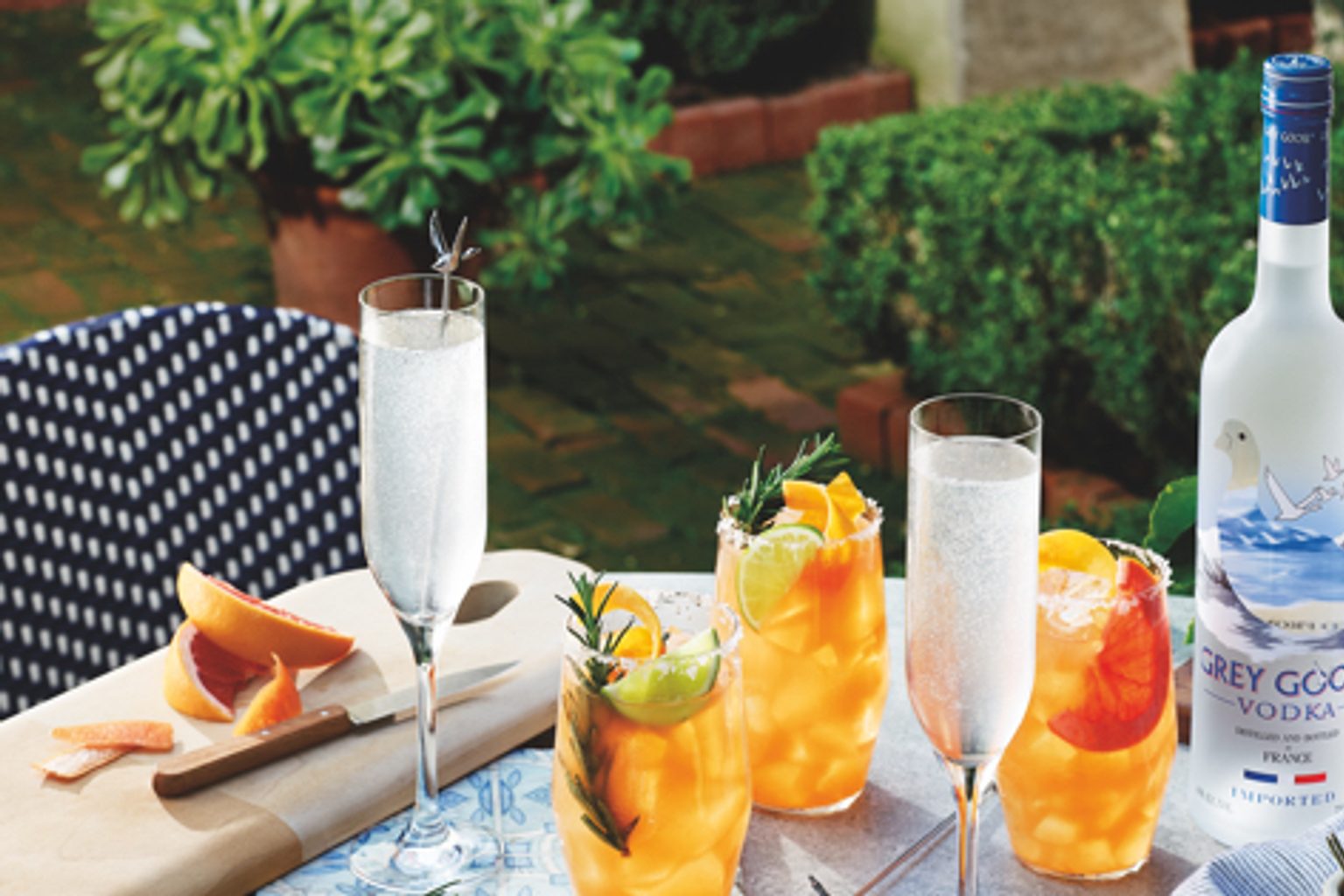
For hospitality professionals, this distinction matters enormously. Consumer preferences have shifted sharply toward lighter, fruit-forward cocktails, spritz-style serves, and approachable luxury experiences. Berry flavors, in particular, have emerged as one of the strongest drivers in contemporary cocktail culture, especially among younger premium consumers seeking drinks that feel polished but playful. The hero cocktail, the Rouge Royale, blends Berry Rouge with lemonade, brut rosé, soda water, fresh berries, lemon, and mint—a spritz tailor-made for elevated summer service.
But GREY GOOSE recognized that product innovation alone wouldn't drive the hospitality narrative. The launch needed to become bigger than the bottle itself, which is why the brand positioned Dominique Ansel as the centerpiece of the campaign's culinary vision.
Dominique Ansel: From Viral Pastry to Collaborative Leadership
For hospitality and culinary professionals, Dominique Ansel represents something rare: a chef who transformed pastry into a global cultural conversation without sacrificing technical precision or emotional integrity. As Executive Pastry Chef at the legendary Restaurant Daniel during its three-Michelin-star era, Ansel launched Dominique Ansel Bakery in 2011 and changed the dessert world with the creation of the Cronut®, a croissant-doughnut hybrid that generated international headlines. Yet his influence extends far beyond viral desserts.
Over the years, he has become one of the culinary industry's leading innovators, known for blending technical precision with emotional storytelling and immersive hospitality. From the Frozen S'more to the Cookie Shot, his creations succeed because they create memories as much as flavors. That sensibility made him a near-perfect collaborator for Berry Rouge's culinary activation.
For the campaign's immersive New York pâtisserie activation, Ansel developed a trio of limited-edition berry-inspired desserts: a seasonal Pavlova, a Berry Rouge Ice Cream Sandwich, and a Berry Rouge-infused Cronut® timed to coincide with the pastry's 13th anniversary. Importantly, the desserts don't feel gimmicky. Rather than simply adding vodka flavoring into pastries for novelty's sake, Ansel approached the collaboration through ingredient storytelling and seasonal inspiration. Summer berries became the connective thread linking cocktail culture, French pâtisserie tradition, and experiential dining together—sophisticated branding disguised as effortless indulgence.
Designing an Immersive Dining Experience
Launching as a one-day-only GREY GOOSE Berry Rouge Pâtisserie takeover in New York City, the activation transformed a bakery into an immersive, berry-infused environment celebrating the emotional beginning of summer dining season. Guests were encouraged to "check their laptops at the door," sip cocktails, socialize, and embrace a kind of transportive out-of-office energy that feels deeply aligned with contemporary hospitality culture. The inclusion of Andre Power's curated soundtrack added another critical layer—music has become essential to modern hospitality branding, particularly within experiential activations, helping ensure the event resonated across culinary, entertainment, and social audiences.
Zoe Saldaña, who brings a rare combination of global celebrity, credibility, sophistication, and relatability to the partnership, stepped into the role of "berry connoisseur" in the campaign's social-first films. Rather than hard-selling product, the visuals focused on mood and sensory storytelling: sunlit rooftops, lingering conversations, berry pastries, relaxed glamour, and those fleeting moments that define summer dining and social culture. Her involvement continued GREY GOOSE's "GREY GOOSE Hôtel" campaign from 2025, a cinematic hospitality-driven platform centered around slowing down and savoring moments.
A Blueprint for Hospitality-Centered Luxury Marketing
What GREY GOOSE accomplishes with Berry Rouge is something many luxury brands struggle to achieve: cohesion across all hospitality touchpoints. Every element of the campaign reinforces the same emotional language. The cocktails, pastries, visuals, music, and collaborators all orbit around the same central idea—slowing down long enough to romanticize summer.
That emotional consistency is increasingly valuable in the hospitality and beverage industries, where consumers are overwhelmed with content and brand collaborations competing for attention daily. The brands winning right now are the ones building fully realized worlds rather than isolated advertisements. GREY GOOSE has spent years positioning itself not simply as a vodka producer, but as a curator of elevated experiences tied to French craftsmanship, social connection, and aspirational leisure.
For dining and hospitality professionals, the Berry Rouge rollout offers a critical lesson: the future of premium branding isn't simply about product innovation. It's about creating emotional ecosystems where spirits, culinary arts, music, design, and entertainment intersect naturally. The campaign manages to feel luxurious without becoming inaccessible—there's sophistication, certainly, but also humor, energy, warmth, and fun. That balance may be the campaign's greatest success, reminding the industry that hospitality works best when it feels inviting.