For restaurant and hospitality professionals, Il Borro Relais et Châteaux offers a masterclass in building a luxury operation where culinary excellence, wine, agriculture, and guest experience operate as an integrated whole. Under the direction of Salvatore Ferragamo Jr., the Tuscan estate demonstrates how establishments can pursue global expansion while remaining rooted in authenticity and place-based identity.
This philosophy gained institutional validation this spring when Ferruccio Ferragamo was awarded a Laurea ad Honorem, or Honorary Degree, from the University of Florence in recognition of his extraordinary contributions to the preservation of Tuscan heritage, ethical tourism, sustainable agriculture, and cultural stewardship. For hospitality leaders, the honor underscores a broader industry shift: success in luxury dining and hospitality increasingly requires balancing commercial growth with stewardship, sustainability, and authentic connection to place.
Foundation: Authenticity Over Trends
The operational philosophy guiding Il Borro centers on a deceptively simple principle that challenges industry norms. Rather than adapting to market trends or pursuing volume-driven expansion, the estate has invested in deepening its identity and strengthening its connection to Tuscan tradition.
"In a world where almost anything can be accessed instantly, true luxury lies in simple and genuine things," Salvatore Ferragamo Jr. says. "For us, it's about preserving the integrity and authenticity of what Il Borro stands for. The priority is not to adapt to trends, but to remain consistent with our identity."
This consistency shapes everything from wine selection to menu development to guest programming. For hospitality professionals evaluating their own positioning, Il Borro's restraint in chasing trends offers a counterintuitive model: the estate has quietly become one of the wine and hospitality industry's most compelling examples of how luxury brands can balance legacy, sustainability, and global expansion without compromising authenticity.
Farm-to-Table as Operational Philosophy, Not Marketing
The culinary program at Il Borro demonstrates how farm-to-table principles can function as a genuine operational framework rather than a marketing concept. Led by Andrea Campani, the estate's dining philosophy inverts traditional menu development. Instead of deciding what should appear on plates and sourcing ingredients accordingly, the culinary team builds menus around what the estate and its regional network produce at any given moment.
"We don't start from what we want to put on the menu," Campani explains, "but from what nature offers us at that specific moment."
Access to the estate's vineyards, vegetable gardens, olive groves, cheese production, and established relationships with local producers creates operational flexibility that allows menus to evolve naturally with seasonality. For kitchens pursuing similar integration, this approach requires both planning discipline and staff alignment around ingredient-driven cooking rather than recipe-driven service.
This season, that philosophy finds expression through new offerings at Osteria del Borro. Chef de Cuisine Andrea Godi has introduced two new tasting menus—"Omaggio al Borro" and "Armonie Vegetali"—designed to complement the à la carte menu. Both continue the estate's commitment to dishes that balance textures, contrasts, and seasonality, allowing ingredients to lead the culinary experience. All menus prioritize produce from the Il Borro estate, supported by a carefully curated selection of small local producers whose work reflects the same commitment to quality, territory, and sustainability.
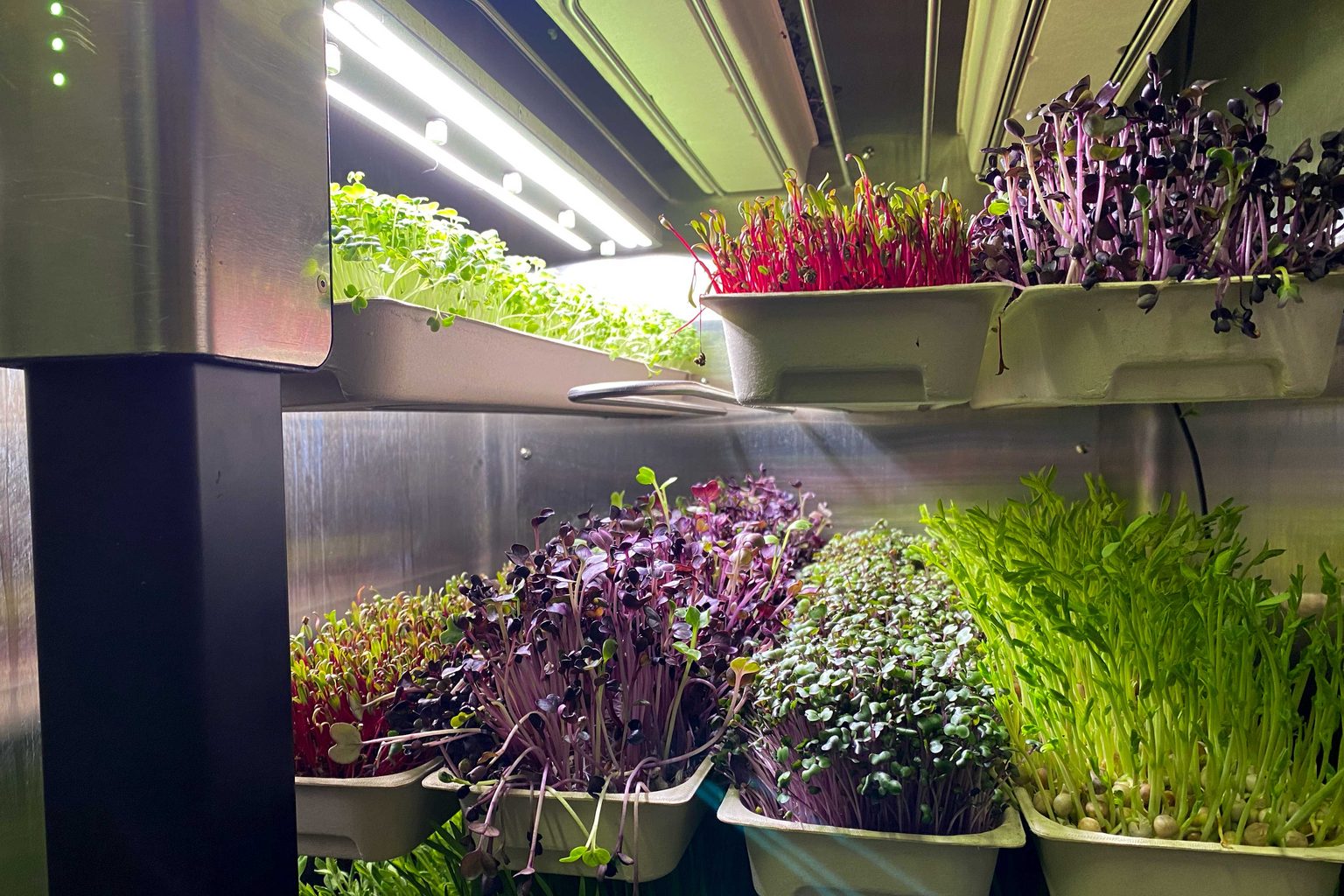
Also debuting this season is an intimate Chef's Garden experience, limited to just two tables per evening and held directly within the vegetable garden that inspires the restaurant's daily service. Guests witness the aromas, colors, and ingredients that will appear on their plates, experiencing a dinner format that combines immersion with exclusivity. The tasting menu and dedicated setting offer chefs and operators a practical model for how transparency and proximity to ingredients can strengthen guest connection while reinforcing operational values.
Wine Strategy Rooted in Identity, Not Volume
Il Borro's wine program reflects the same measured philosophy. Rather than pursuing expansion through volume or diversification across multiple appellations, the estate strengthens regional authenticity and deepens identity with each initiative.
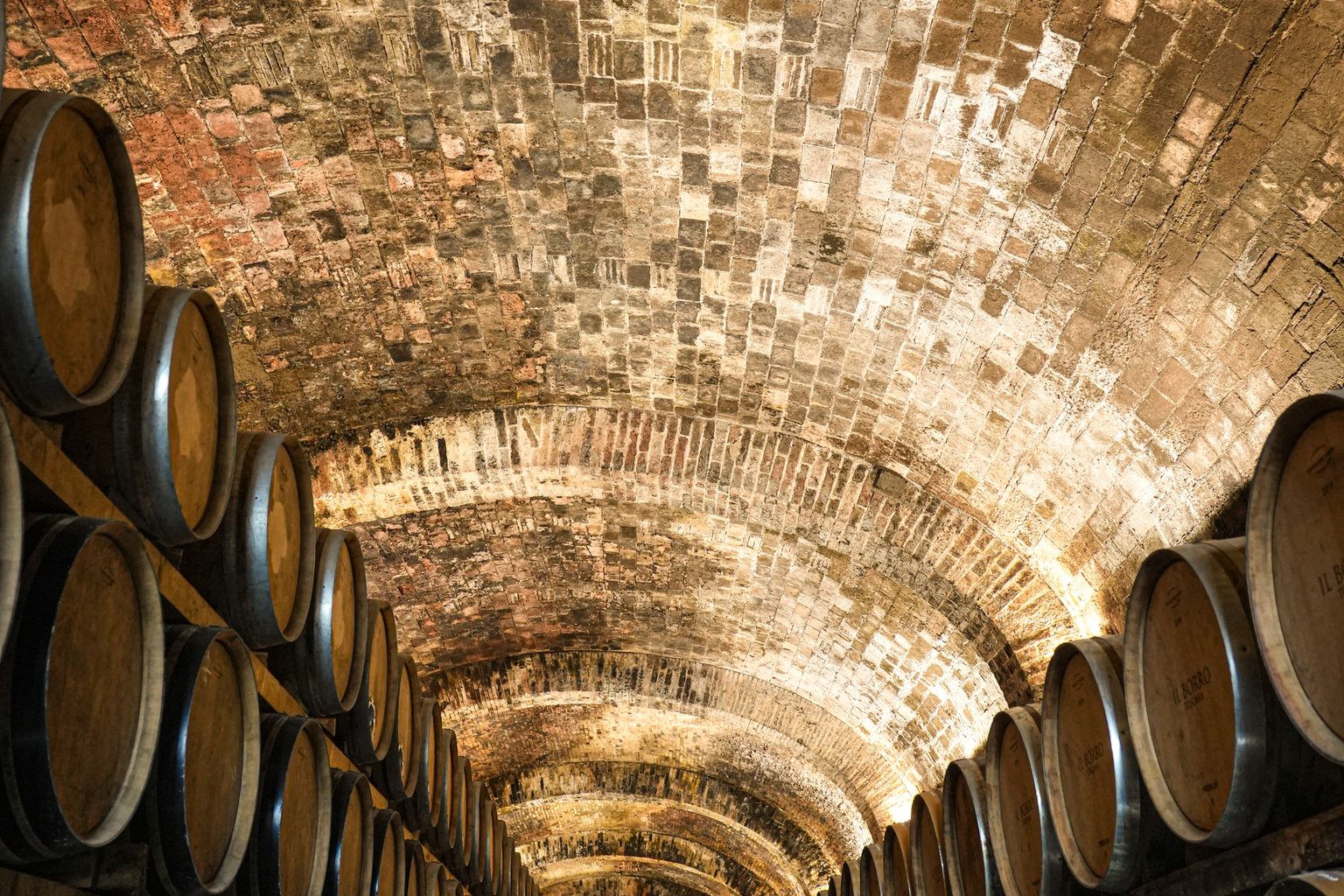
Wines like Petruna, the estate's amphora-aged Sangiovese, exemplify this approach. The use of amphora aging connects contemporary wines to historic Tuscan traditions while delivering originality that sommeliers and collectors increasingly seek. Simultaneously, the estate's expansion into Brunello di Montalcino through the historic Pinino property signals long-term investment in one of Italy's most globally respected appellations.
"The logic is always the same," Salvatore Ferragamo says. "Each project has to bring something unique. Not just more wines, but a clearer, stronger identity built over time."
For wine and beverage directors, this strategy offers a framework: growth comes through deepening mastery and identity within chosen expressions, not through portfolio expansion alone.
Sustainability Measured, Documented, Not Overstated
The estate's approach to sustainability operations provides another model for hospitality professionals. Unlike many establishments positioning sustainability as marketing narrative, Il Borro measures and documents environmental impact with notable precision and restraint.
"Sustainability, to be credible, must be measurable," Salvatore Ferragamo says. "We will not say it until the numbers support it. That is the difference between those who tell the story and those who build it."
At the agricultural level, the estate spans approximately 1,200 hectares, including more than 500 hectares of protected woodland that naturally absorbs carbon and supports biodiversity. Regenerative and organic farming practices improve long-term vineyard health while reducing environmental impact.
Operationally, the estate has expanded renewable energy infrastructure steadily over the last decade, growing from eight photovoltaic systems in 2013 to eighteen today. In 2024 alone, Il Borro produced 2.4 GWh of renewable energy while avoiding hundreds of tonnes of CO₂ emissions. The company has also begun comprehensive Scope 3 emissions assessments to understand the full environmental impact of operations and supply chain. For hospitality operators building sustainability programs, Il Borro's emphasis on measurable data and transparent reporting—rather than aspirational claims—offers a template for authentic credibility.
Integration as the Competitive Advantage
What distinguishes Il Borro's model is the seamless integration of agriculture, viticulture, culinary excellence, and hospitality into a single ecosystem where each element reinforces the others. Rather than operating as separate divisions, they function as interconnected components of a unified experience.
Guests engage with this integration through truffle hunting, vineyard tours, estate-grown ingredients, garden-led dining, and direct interaction with the surrounding landscape. These are not curated talking points but lived experiences embedded into the guest journey itself.
For restaurant and hospitality professionals evaluating operational strategy, Il Borro demonstrates that competitive advantage in luxury hospitality increasingly comes from authentic integration rather than isolated excellence. In an industry crowded with establishments trying to manufacture heritage and authenticity, the properties that possess genuine connection to place, transparent sourcing, and operational alignment around shared values will likely define the next evolution of luxury dining and hospitality.