A lemon pepper garlic fish and shrimp dish is anchoring KPOT Korean BBQ & Hot Pot's first limited-time menu expansion in more than four years, adding a dedicated seafood offering to a format that has logged explosive unit growth while keeping its core menu virtually unchanged since 2022.
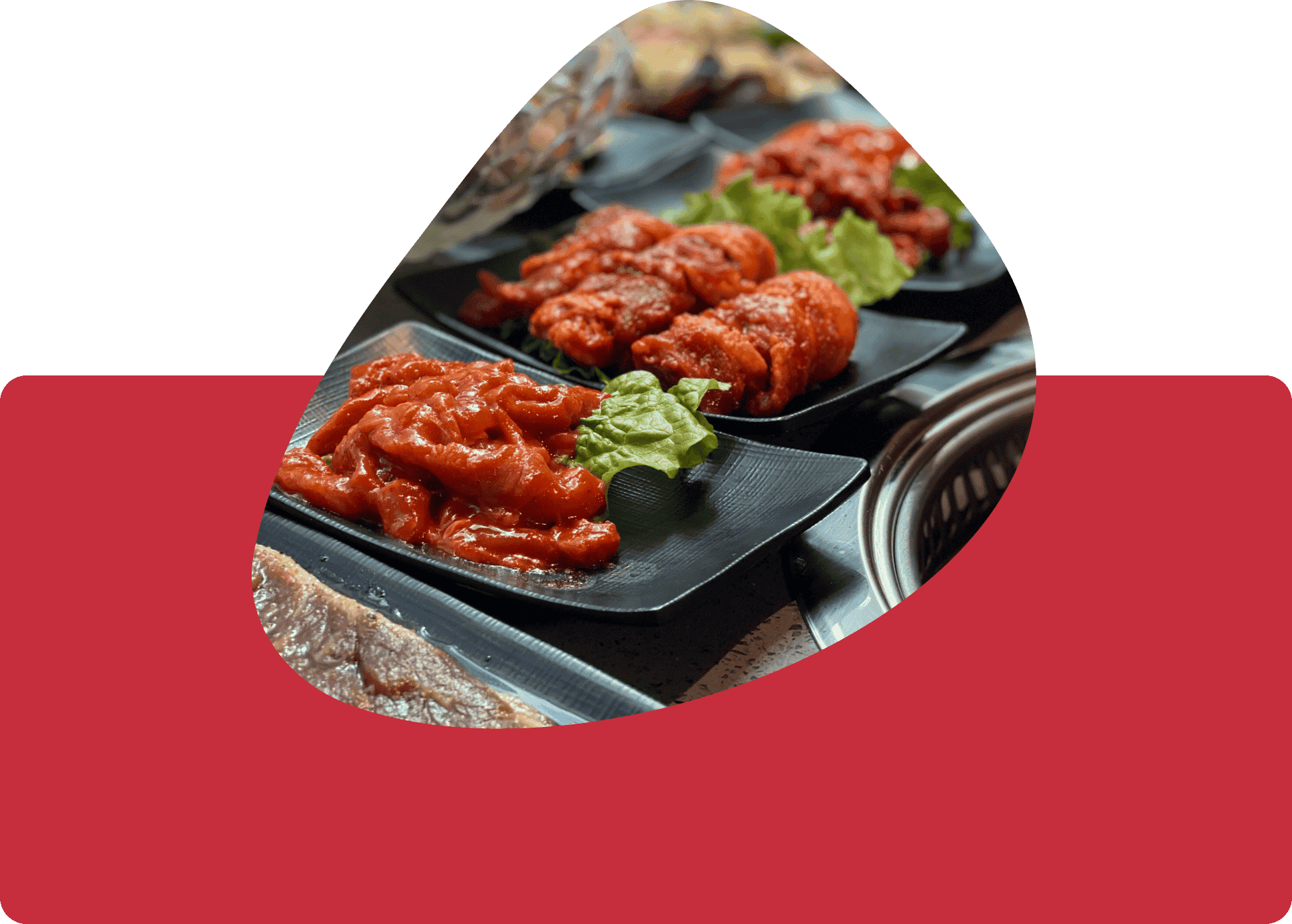
The 170-unit all-you-can-eat chain, which melds Korean BBQ tableside grilling with interactive hot pot, is debuting the Lemon Pepper Garlic Fish and Shrimp with Cilantro alongside three other LTO items. For a concept built on fresh seafood as a standing menu pillar — alongside premium meats and crisp vegetables — the new preparation elevates the existing fish and shrimp roster with a brightened flavor profile: lemon pepper across the protein, savory garlic depth, and a cilantro finish designed to complement delicate flesh cooked directly on the guest-operated grill.
The Seafood Context
KPOT's ongoing seafood program already positions fresh shellfish and fin fish as co-equal proteins in both its BBQ and hot pot formats. The chain's Bento Box offering lists shrimp among available proteins, and its eight rotating soup bases are designed to pair with seafood selections drawn tableside from the raw bar-style spread. The new LTO builds on that infrastructure rather than replacing it, according to Victor Chow, Vice President of KPOT: "These are the first limited-time menu additions we've made in several years, and each one earned its place by complementing, not changing, the Korean BBQ and Hot Pot experience our guests know and love."
The timing matters for the broader foodservice seafood market. Operators across the restaurant and foodservice segment have been navigating elevated shrimp import costs through 2025 and into 2026, with whiteleg shrimp from Ecuador and India continuing to dominate U.S. import volumes. An all-you-can-eat platform absorbs per-portion pricing volatility differently than à la carte menus — the unit economics depend on throughput and ticket management rather than individual protein margin — giving KPOT structural flexibility to feature shellfish prominently even during supply-price fluctuations.
Growth Backdrop
KPOT's scale amplifies the significance of even a single LTO seafood addition. The brand operated just three units at the end of 2020; it reached 55 by end of 2023 and now stands at 170 locations, a growth curve that places it among the faster-expanding interactive dining concepts in the U.S. foodservice landscape. Each menu decision now carries footprint-level weight across a national distribution of guests.
The brand's hot pot segment also supports a soy-based and noodle-driven menu lane that pairs naturally with seafood — a dynamic well understood in Asian foodservice traditions where shellfish, fish cakes, and head-on shrimp are standard hot pot additions. KPOT's new Herbal Thai Curry Soup base, also part of the LTO rollout, offers a broth profile that operators and sustainability-focused seafood programs have long flagged as particularly compatible with mild white fish and shellfish, given its herb-forward rather than heavy-cream base.
The limited-time framing keeps menu complexity manageable while testing consumer appetite for additional seafood SKUs — a strategy that could inform permanent menu additions if the fish and shrimp LTO drives measurable protein mix-shift.
Written by Michael Politz, Author of Guide to Restaurant Success: The Proven Process for Starting Any Restaurant Business From Scratch to Success (ISBN: 978-1-119-66896-1), Founder of Food & Beverage Magazine, the leading online magazine and resource in the industry. Designer of the Bluetooth logo and recognized in Entrepreneur Magazine's "Top 40 Under 40" for founding American Wholesale Floral, Politz is also the Co-founder of the Proof Awards and the CPG Awards and a partner in numerous consumer brands across the food and beverage sector.