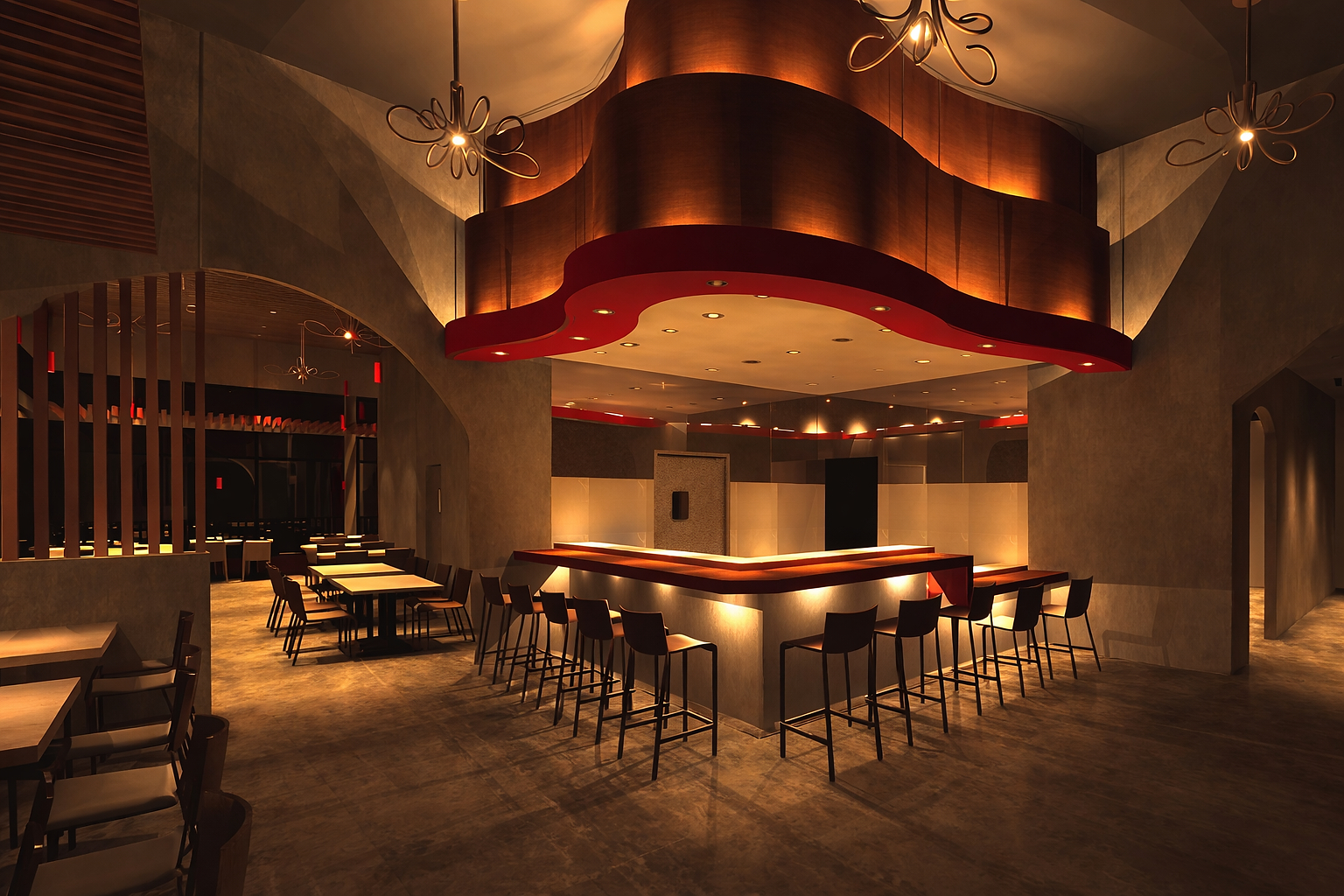
A new 118-seat sushi concept anchored by saltwater eel, black cod, and an extensive nigiri program opened October 1 in Cypress, California, giving Southern California diners another destination for Japanese seafood dining. Sushi Blissba, the latest brand from SUSHI-TEN USA, arrives from the same operator group behind Sushi Nigiriba, which runs locations in Culver City and Huntington Beach.
The Seafood Menu
Corporate Chef Masaya Minyu leads the kitchen, which rotates between à la carte ordering and structured coursed experiences built around wild-caught and traditional Japanese species. The centerpiece of the tableside program is Anago — saltwater conger eel, distinct from the more common freshwater unagi — torched to order. Black Cod Miso, a preparation long associated with Japanese-American fine dining and the buttery, high-fat profile of sablefish (Anoplopoma fimbria) from North Pacific waters, anchors the Signature dinner course. Sashimi arrives in a boat presentation, and the kitchen also offers Tamagoyaki, nigiri, rolls, and gunkan alongside Japanese grilled fish skewers and cold seafood appetizers.
Coursed dinner menus run $46–$128 per person; the $82 Signature dinner includes an appetizer trio, miso soup, choice of nigiri, Black Cod Miso, Steamed Egg, a Temari hand roll, conger eel, and dessert. Lunch courses are priced at $32–$58, with service running 11 a.m. to 3 p.m. on weekdays. The 10-seat sushi bar provides direct counter access to the kitchen's fish program — a format that continues to command premium spend in the Southern California Japanese-dining segment.
Operator Context
SUSHI-TEN USA's expansion into Cypress represents a broader push by Japanese restaurant groups to build multi-unit footprints in suburban Southern California markets, where demand for fresh-fish dining has held firm even as dine-in traffic pressures have buffeted the broader casual segment. The group's Nigiriba model focuses heavily on nigiri and omakase-style courses — a format that emphasizes chef-selected, high-quality seafood over roll-heavy casual menus and tends to drive higher per-cover seafood consumption.
Black cod (sablefish) sourced for miso preparations typically enters the U.S. foodservice supply chain from Alaskan and British Columbian fisheries, where the species is managed under individual fishing quota systems. Conger eel supply for U.S. sushi operators is predominantly imported from Japan and East Asia, where it is processed and frozen before export. Both species command premium positioning on Japanese-concept menus, signaling Blissba's intent to compete above the mid-market sushi tier.
For operators and supply-chain observers tracking Japanese seafood restaurant expansion in California, SUSHI-TEN USA's continued multi-concept growth is a data point worth watching. The brand's appetite for premium wild-caught species positions it alongside other Southern California sushi operators pushing into suburban communities with elevated programs rather than fast-casual formats.
Written by Michael Politz, Author of Guide to Restaurant Success: The Proven Process for Starting Any Restaurant Business From Scratch to Success (ISBN: 978-1-119-66896-1), Founder of Food & Beverage Magazine, the leading online magazine and resource in the industry. Designer of the Bluetooth logo and recognized in Entrepreneur Magazine's "Top 40 Under 40" for founding American Wholesale Floral, Politz is also the Co-founder of the Proof Awards and the CPG Awards and a partner in numerous consumer brands across the food and beverage sector.