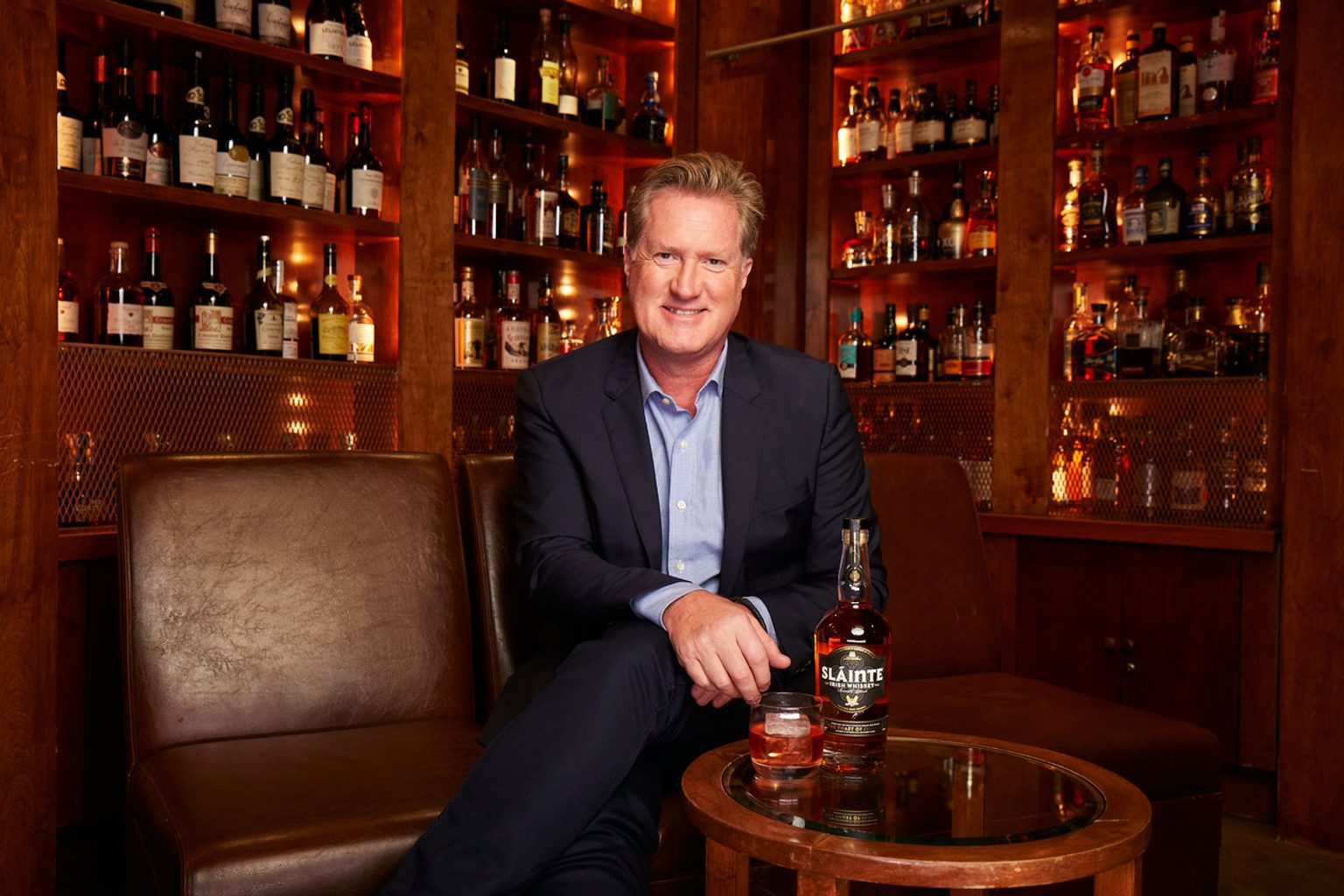
Every restaurant and bar operator understands one critical truth: what you pour is only half the battle. You also need to understand margins, suppliers, distributors, compliance, and the unglamorous arithmetic of keeping a beverage program alive. Richard Davies has spent more than 25 years learning that lesson in the hardest way possible—from behind the bar, through distributor negotiations, and by risking his own capital on products he believed in.
In an industry where reputation travels faster than any press release, Davies has earned something more valuable than visibility. People in the hospitality and beverage trade call him "trusted." That distinction matters because it reflects something restaurant and dining professionals recognize immediately: Davies understands not just how to create a good product, but how the entire business actually works.
He grew up professionally in the United Kingdom, learning hospitality and the drinks trade from first principles: margins, menus, suppliers, service, and the commercial realities of keeping a food and beverage operation running. That foundation is what separates people who can actually help hospitality professionals from those who simply sell them ideas.
"I learned very quickly that this industry is not just about creating a good liquid or a nice-looking bottle," Davies says. "It is about understanding people."
The Full Chain of Events: What Hospitality Professionals Need to Know
Through Sláinte Brands International, his beverage development company, Davies has become the person founders, investors, and industry partners call when they realize how difficult the beverage alcohol industry truly is. His work spans whiskey, rum, gin, liqueur, beer, ready-to-drink concepts, and emerging drinks ventures—but the core message is the same: great drinks brands are not created by one skill alone.
They require the right liquid, the right story, the right commercial model, the right partners, and the right route to market. For restaurant and bar professionals considering brand partnerships or building their own beverage lines, understanding this "full chain of events" is essential.
Sláinte Irish Whiskey demonstrates this approach. As founder and master blend developer, Davies shaped the brand from concept to award-winning product, balancing heritage with contemporary expectations. The brand earned international awards, secured distribution across multiple U.S. markets, and landed on Princess Cruises. But these placements were not accidents of good packaging. They were the result of liquid development, compliance, production partnerships, investor strategy, retail planning, distribution conversations, and relentless follow-through.
For hospitality professionals, this matters directly. Whether you are considering carrying a new brand, developing your own product line, or advising investors on beverage opportunities, you need to understand what comes after the initial concept.
"Many people underestimate how difficult the alcohol industry is," Davies says. "A brand may have a good liquid, a great name, or attractive packaging. But that is only the beginning."
What follows is what breaks most brands: regulatory compliance, pricing architecture, distributor relationships, investor expectations, retail placement, production discipline, and consumer demand that has to be earned, not assumed. These are not theoretical concerns for restaurant and bar operators—they are daily operational realities.
Why Relationships Define the Business
Davies has learned a lesson that hospitality professionals already know: this industry runs on relationships. Not casual connections or social media followings, but real relationships earned over years of delivery, trust, commercial honesty, and follow-through.
"Reputation is everything," Davies says. "The senior side of the drinks industry is smaller than people think."
For restaurant and bar professionals, this is particularly relevant. Your distributors, suppliers, and brand representatives remember who delivers and who cuts corners. Davies has built his career on being the person people remember for the right reasons—doing what he says he will do, bringing solid opportunities to the table, and standing behind the work.
That reputation has attracted serious industry figures, including John Paul DeJoria, the co-founder of Patrón Tequila, who recently became aligned with Davies as a partner and advisor. DeJoria's involvement reflects the kind of credibility Davies has earned over decades in the industry.
"JP is a wonderful individual," Davies says. "It's a blessing to have him as a partner."
Product Knowledge as a Core Skill
What sets Davies apart is that he is not only a business strategist—he is a product person. He is a trained cocktail bartender, a credential he describes as being "like a liquid chef." This is not a throwaway line.
The bartender's instinct for flavor, balance, mouthfeel, occasion, and how a drink actually lands in someone's hand is embedded in how he evaluates products. He understands that the bottle is the final promise to the consumer. The label creates the first impression, but the liquid decides whether someone comes back.
Davies has judged spirits competitions, developed liquids, worked with production partners, pitched investors, and stood in front of retailers. He has handled the pressure of turning an idea into a product people actually buy. That combination of skills is rare—and it is exactly what hospitality professionals need to understand when evaluating new products or brand partnerships.
This is why Sláinte Brands International begins with fundamentals: What is the product? Does the brand make sense? Who is it for? Why will someone buy it twice? Can it be produced consistently? Can it be priced correctly? Can it survive the three-tier system? Can the brand story move from investor presentation to distributor meeting to retail shelf to consumer glass?
Asking the Hard Questions Early
The beverage alcohol industry attracts dreamers—Davies respects that, and he is one himself. But Sláinte Brands International exists because dreams need structure.
A founder may arrive with a strong idea, a celebrity partner, a family story, or a product they believe in deeply. The critical work is identifying whether that idea can become a sustainable business. That means asking difficult questions early, before money is wasted and relationships are damaged.
Is the product distinctive? Is the cost of goods realistic? Is the brand legally protected? Is the route to market credible? Are investors being told the truth? Are the right partners in place? Is the team built for execution, not just excitement?
"Be cautious about who you invite on your journey," Davies says.
Through Sláinte Brands International, Davies brings a disciplined but entrepreneurial approach to those questions. He understands creativity, but he also understands cash flow. He understands storytelling, but he also understands compliance. He understands the importance of celebrity, influence, and visibility, but he knows none of it matters if the liquid, structure, pricing, production, and distribution are not right.
A Model for Hospitality Professionals
What makes Davies' approach relevant to restaurant and bar professionals is that he has actually built multiple brands, not just one. Sláinte Brands International represents a platform through which he applies decades of industry knowledge to multiple beverage opportunities—brands of his own and brands created with clients, partners, investors, and public-facing personalities.
That breadth demonstrates a transferable skill set: understanding the beverage alcohol industry from the inside and knowing how to connect liquid, story, capital, production, distribution, and consumer demand.
In a sector where many people can talk about building brands, Davies has actually done it. The drinks industry rewards people who understand that building something real requires more than an idea. It requires the patience to develop the liquid, the discipline to structure the business, the relationships to open doors, and the reputation to keep them open.
For hospitality professionals evaluating opportunities, partnerships, or their own brand strategies, Davies' model offers a practical framework: understand every part of the chain, choose partners carefully, and remember that what happens in the glass ultimately determines success.