A Berkshires-region farm market will put whole fresh Maine lobster at the center of its biggest summer event for the fourth consecutive year, underscoring how farm-direct retail operators continue to lean on live and whole shellfish to drive seasonal traffic and premium ticket prices.
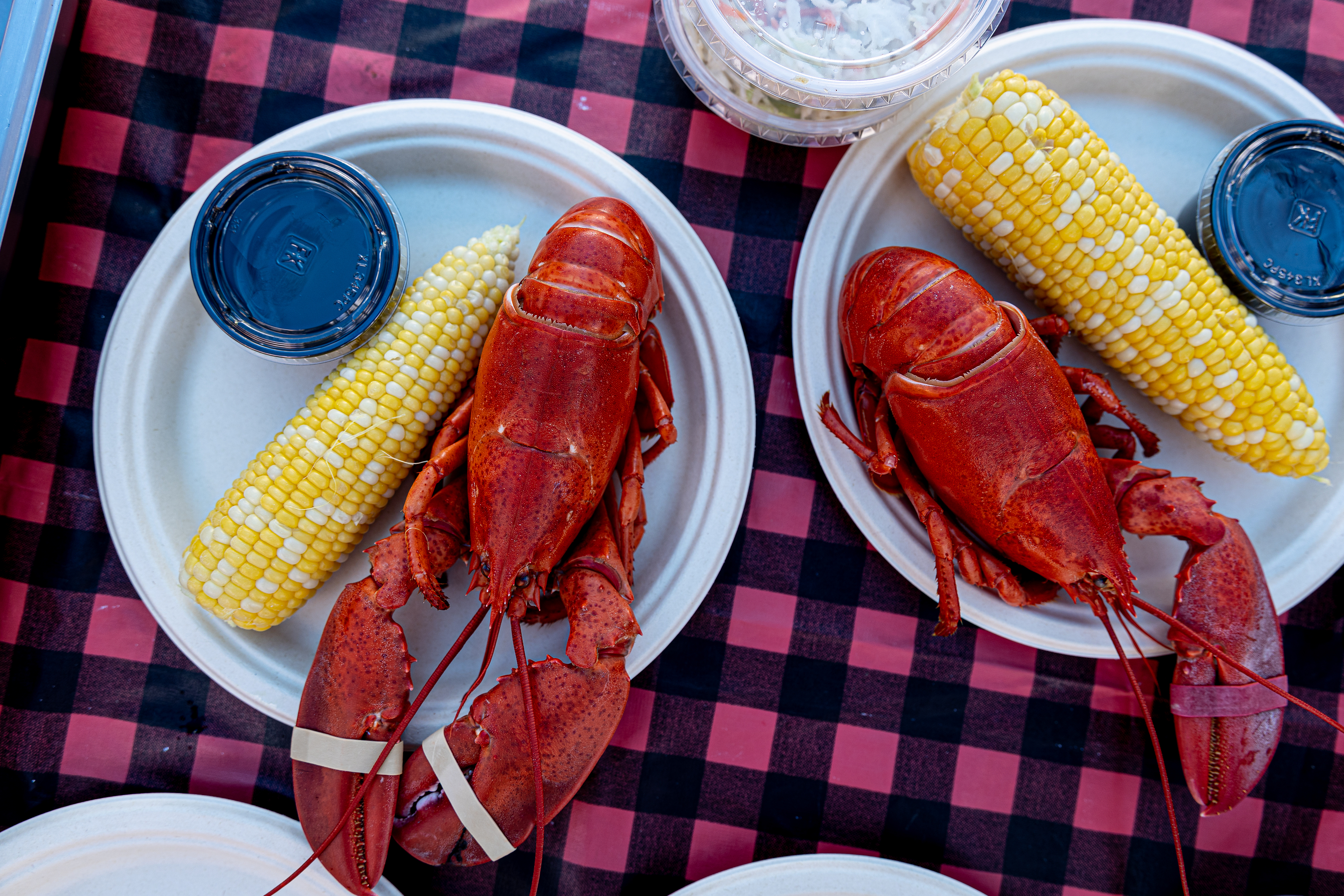
Woodlife Farm Market in New Lebanon, N.Y., will host its Fourth Annual Lobster Fest on Saturday, Aug. 8, from noon to 6 p.m. Lobster plates are priced at $35 plus tax and include one whole fresh Maine lobster, coleslaw, potato salad, and corn on the cob. All plates must be pre-purchased by noon on Aug. 5 — no walk-up lobster orders will be accepted.
The Maine Lobster Angle
The whole-lobster format keeps this squarely in wild-caught, live-market territory. Maine hard-shell lobster — Homarus americanus — remains the dominant species in Northeast U.S. seasonal foodservice programs, and the $35 plate price reflects current retail-adjacent pricing for whole product in the 1.25-to-1.5-pound live weight range that typifies entry-level lobster dinner formats. With Maine's summer inshore season running at full pace through August, farm markets and direct-to-consumer operators have found lobster promotions an effective way to differentiate from standard summer barbecue fare and command a meaningful price premium over burger-and-hot-dog menus.
Emily Gamble, General Manager of Woodlife Farm Market, noted that last year's inventory moved quickly. "The lobsters went fast," Gamble said, urging guests to secure tickets ahead of the advance-purchase deadline to avoid missing out.
Farm-Market Seafood Context
Farm markets occupying the direct-to-consumer channel have increasingly expanded beyond produce and proteins into shellfish programming, particularly in the Northeast where lobster carries strong regional identity. Events like Woodlife's Lobster Fest function as limited-time seafood activations — high-visibility, high-margin, and well-suited to the experiential retail format that competes with traditional grocery and restaurant channels. The advance pre-order requirement also serves an operational purpose: it allows the operator to size its live-lobster order precisely, reducing shrink risk on a perishable that carries real landed-cost exposure.
The farm market's broader seafood retail operation — part of a deli and meats counter that also carries seafood year-round — positions Lobster Fest as a marketing extension of an ongoing protein program rather than a one-off novelty. That continuity matters for retail and foodservice operators navigating volatile lobster ex-vessel pricing tied to Maine's seasonal harvest cycles and Canadian import flows.
For trade observers tracking how live and whole-lobster product moves through non-traditional foodservice and experiential channels, farm-market events represent a meaningful, if diffuse, slice of summer demand — one that complements white-tablecloth and QSR lobster programs alike. With back-to-school timing compressing the late-summer window, operators in this space typically see strong close rates when the event is positioned as a seasonal send-off.
Written by Michael Politz, Author of Guide to Restaurant Success: The Proven Process for Starting Any Restaurant Business From Scratch to Success (ISBN: 978-1-119-66896-1), Founder of Food & Beverage Magazine, the leading online magazine and resource in the industry. Designer of the Bluetooth logo and recognized in Entrepreneur Magazine's "Top 40 Under 40" for founding American Wholesale Floral, Politz is also the Co-founder of the Proof Awards and the CPG Awards and a partner in numerous consumer brands across the food and beverage sector.