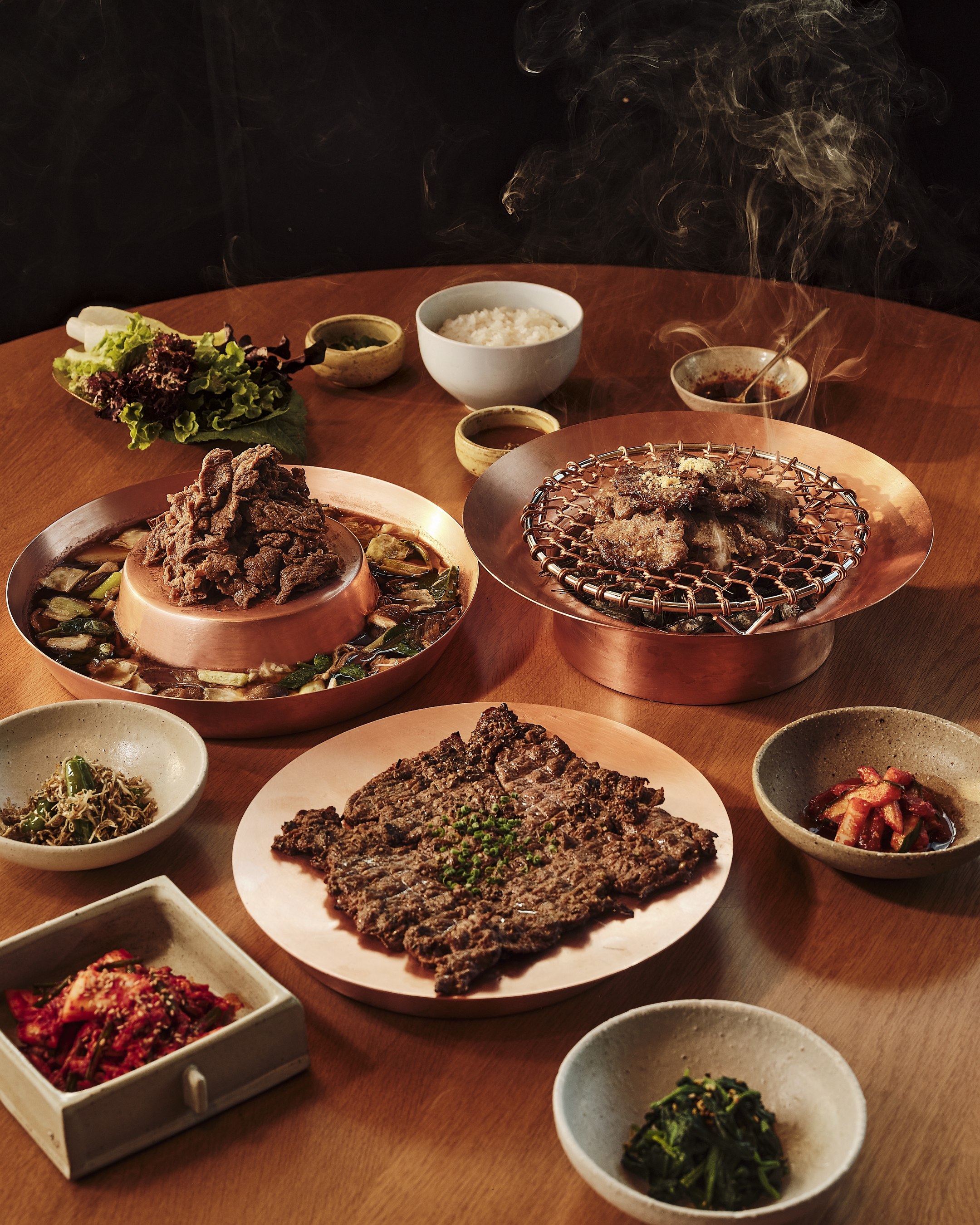
GEN Restaurant Group, the publicly traded Korean BBQ chain operator, has secured shelf placement at Save Mart Supermarkets with an initial six-SKU retail lineup, the company announced June 8. The launch marks GEN's first confirmed entry into a regional grocery chain and represents a direct bid to capture at-home consumption of the marinated and prepared proteins central to its restaurant concept.
The company did not disclose launch volumes, projected retail velocity, or the dockside-equivalent wholesale price points at which the SKUs will compete. Save Mart operates roughly 200 stores across California and Nevada, giving GEN immediate exposure to a combined population base that overlaps heavily with its existing dine-in footprint. No per-unit pricing or introductory promotional terms were made public at the time of the announcement.
The move fits a broader pattern in the value-added protein segment, where restaurant brands have increasingly leveraged consumer familiarity to drive grocery trial. Korean BBQ formats — which rely on short-marinated beef, pork, and in some menu iterations, seafood cuts including squid and shrimp — present a natural bridge to the retail meat and prepared-foods case. Whether GEN's retail line will include seafood SKUs alongside its core land-protein items was not specified in the release, though the company's restaurant menus feature both wild-caught and farm-raised seafood preparations.
For seafood suppliers and processors already servicing GEN's restaurant supply chain, a retail expansion of this type typically prompts a parallel conversation about IQF and retail-pack formats, updated traceability documentation, and BAP or equivalent certification requirements that grocery buyers increasingly mandate at the case level. Any seafood components entering the retail channel would also trigger standard FDA label-compliance review and, depending on species sourcing, potential MSC certification alignment to satisfy sustainability-minded regional grocery buyers like Save Mart.
GEN's retail strategy will face the standard velocity pressures of new-item grocery placement: typically a 12-to-16-week window to demonstrate turn rates sufficient to hold shelf space. Analysts tracking the restaurant-to-retail conversion space note that branded prepared proteins from chain operators have a mixed track record outside their home delivery and direct-to-consumer channels, particularly when competing against established value-added brands with deeper promotional budgets. Execution at the store level — including cold-chain integrity from distribution center to case — will be a key variable. The company has not announced a co-packer or cold-chain logistics partner for the Save Mart program.
Written by Michael Politz, Author of Guide to Restaurant Success: The Proven Process for Starting Any Restaurant Business From Scratch to Success (ISBN: 978-1-119-66896-1), Founder of Food & Beverage Magazine, the leading online magazine and resource in the industry. Designer of the Bluetooth logo and recognized in Entrepreneur Magazine's "Top 40 Under 40" for founding American Wholesale Floral, Politz is also the Co-founder of the Proof Awards and the CPG Awards and a partner in numerous consumer brands across the food and beverage sector.